The Reserve Bank of Australia (RBA) has announced its decision for November 2025: the official cash rate will remain steady at 3.60%. This November 2025 Interest Rate Decision carries big implications for homeowners, first-home buyers, and existing borrowers, affecting mortgage rates, home affordability, and refinancing opportunities.
This article explains how the RBA’s decision affects different types of home loans, why the rate was held steady, and what borrowers can do next to manage their finances effectively.
The RBA’s 3.60% Cash Rate: What It Means for Home Loan Borrowers
Mortgage Rate Effects and Borrower Implications
The RBA’s decision to keep the cash rate at 3.60% is part of its ongoing effort to control inflation. The outcome affects millions of Australians with mortgages.
Variable Rate Loans:
Borrowers on variable-rate loans feel the effects immediately when the RBA makes a move. Because banks set their lending rates based on the RBA’s cash rate, the current 3.60% level means mortgage repayments will remain high. While this rate freeze provides short-term stability, repayments are still higher than pre-pandemic levels.
Fixed Rate Loans:
Those on fixed-rate loans are temporarily protected from changes in the cash rate. However, many fixed-term borrowers will soon roll over to variable rates, which are much higher than those set in 2021–2022. Planning ahead is essential to avoid payment shocks once the fixed term ends.
Low-Doc and Self-Employed Loans:
For self-employed borrowers, low-doc loans remain popular, though they often attract higher rates. With the cash rate steady at 3.60%, lenders continue offering competitive low-doc products. However, these loans come with stricter income verification and slightly higher costs.
Why the RBA Held the Interest Rate at 3.60%
The Link Between Inflation, the Economy, and Rate Decisions
The RBA’s decision to hold rates reflects its balancing act between managing inflation and supporting economic growth. Although inflation has slowed, it remains above the 2–3% target range, sitting around 3.2% in late 2025.
If the RBA were to cut rates too early, it could stimulate spending and push prices higher again. On the other hand, raising rates further might increase financial strain for households already facing higher mortgage repayments.
Household debt levels are also a major concern. Many Australians borrowed heavily during the low-rate years, and further tightening could cause a rise in arrears. By holding rates steady, the RBA aims to maintain stability while monitoring inflationary trends.
According to the RBA’s official statement, the decision aligns with its medium-term inflation goal. Analysts from The Guardian noted that the RBA’s cautious stance signals confidence in the current inflation slowdown — but warns borrowers that the relief may be temporary.
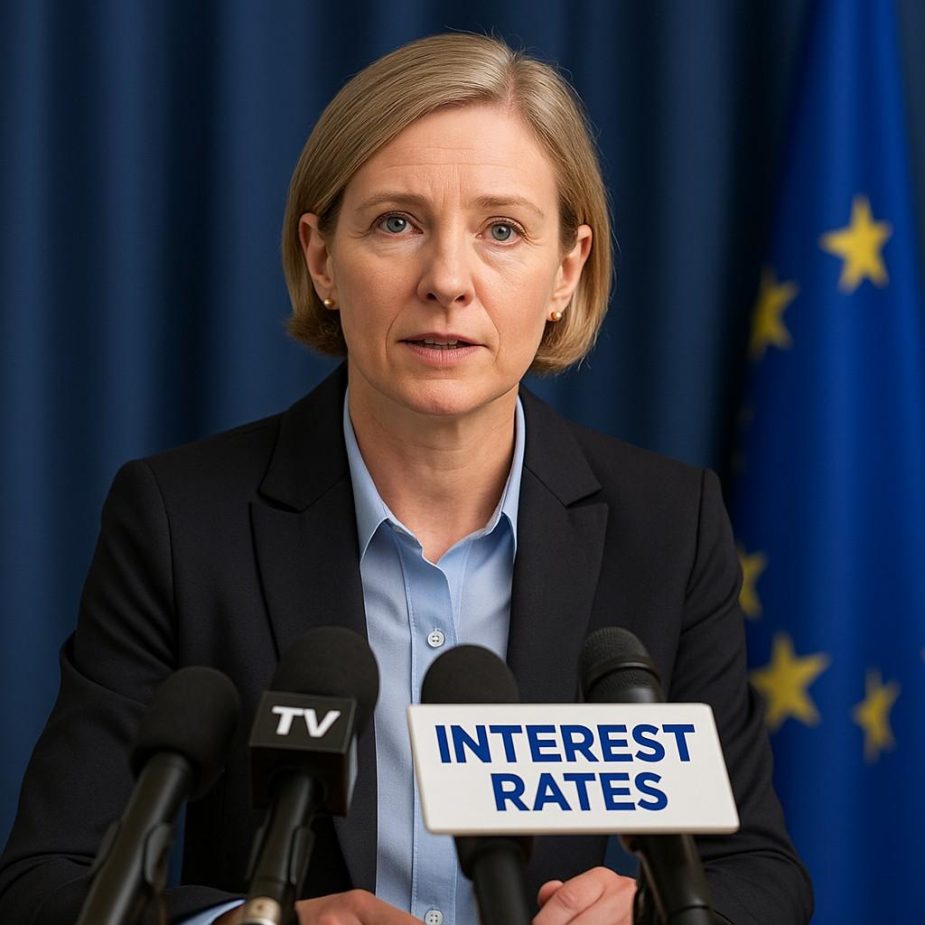
How Borrowers Can Prepare for Future Rate Changes
Steps to Manage Mortgage Costs
Even with the rate hold, borrowers should plan for possible future increases. Here’s how to stay ahead:
1. Refinance to a Lower Rate:
If your current lender hasn’t passed on competitive pricing, consider refinancing. A switch to a lender offering a lower rate — such as Reduce Home Loans or Mortgage Ezy — could save thousands annually. Compare comparison rates and check for discharge or establishment fees before committing.
2. Lock in a Fixed Rate:
If you expect rates to rise again, fixing part or all of your loan could provide peace of mind. Fixed rates are slightly higher than variable ones but offer repayment certainty for one to five years.
3. Build a Financial Buffer:
Rising living costs and high interest rates make emergency funds essential. Saving at least three months’ worth of expenses can protect you from rate shocks or income changes.
4. Monitor Economic Updates:
Watch indicators such as inflation, employment data, and GDP growth. These metrics help predict the RBA’s next move. Staying informed means you can act quickly when conditions shift.
What the RBA’s Decision Means for Different Borrowers
Homeowners, First-Time Buyers, and Self-Employed Borrowers
Homeowners: Can expect repayments to remain stable but high. Refinancing or splitting between fixed and variable loans may help manage costs.
First-Home Buyers: May face tighter affordability as lenders assess borrowing power more conservatively. Government grants and shared equity schemes remain crucial for entry into the market.
Self-Employed Borrowers: Need to prepare strong income documentation, such as BAS statements and tax returns, as lenders continue applying stricter verification under responsible lending rules.
The Bottom Line
The RBA’s choice to hold the official cash rate at 3.60% in November 2025 signals continued caution. While inflation is easing, high living costs and mortgage repayments persist.
Borrowers should use this stable period to reassess their financial position, explore refinancing, and strengthen savings. Whether you’re self-employed, refinancing, or buying your first home, staying proactive can protect you from future rate shocks.
For the latest rate comparisons, visit RateBuster.com.au to explore tailored home-loan options that fit your situation.