


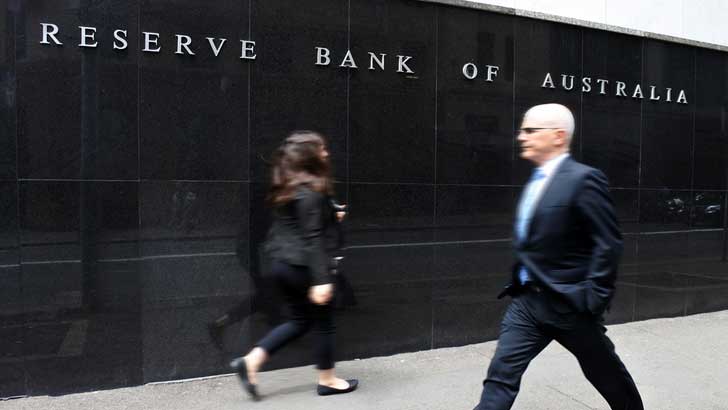
Reserve Bank of Australia lifts cash rate as inflation pressures intensify
In a closely watched RBA interest rate decision today, the Reserve Bank of Australia has increased the cash rate by 25 basis points to 4.35%, marking a third consecutive rate rise in 2026. The latest RBA announcement highlights growing concern around persistent inflation, rising fuel costs, and global uncertainty linked to the ongoing conflict in the Middle East. This interest rate rise in Australia returns the RBA cash rate to levels seen at the peak of the 2025 tightening cycle, placing renewed pressure on households and borrowers.
RBA Interest Rate Decision May 2026: Key Highlights
Cash rate lifted to 4.35%
The RBA rate decision has lifted the official cash rate from 4.10% to 4.35%, a move widely anticipated by financial markets. This increase reinforces the central bank’s firm stance on inflation control.
Majority vote reflects strong policy direction
The RBA decision today was made by a majority vote of eight to one, signalling a clear commitment by the Board to take decisive action against inflation risks.
Third consecutive rate hike in 2026
This latest RBA rate hike represents the third increase this year, continuing a tightening cycle aimed at slowing demand and easing price pressures across the economy.
Why Did the RBA Raise Interest Rates?
1-Inflation remains above target
The Reserve Bank noted that inflation accelerated in the second half of 2025, with recent data confirming that capacity pressures across the economy remain elevated. Short-term inflation expectations have also risen, increasing the risk that higher prices could persist longer than anticipated.
2-Global pressures pushing prices higher
A key factor behind this interest rate rise is the impact of the Middle East conflict, which has driven fuel and commodity prices significantly higher. These increases are already feeding into broader costs across goods and services, creating what the RBA news update describes as second-round inflation effects.
3-Businesses beginning to pass on higher costs
The RBA announcement today also highlighted early signs that many firms are responding to cost pressures by increasing prices. This behaviour adds further momentum to inflation and complicates the path back to the target range.
Economic Outlook: Growth Expected to Slow
Slower economic activity ahead
According to the latest interest rates Australia outlook, economic growth is expected to slow to around 1.3% over the year. Higher borrowing costs are likely to weigh on household consumption and business investment, contributing to softer overall activity.
Financial conditions continue to tighten
The RBA announcement also noted that financial conditions have tightened throughout 2026. Money market rates and government bond yields have risen, while the exchange rate has appreciated. Despite this tightening, access to credit remains available for both households and businesses.
Inflation Forecast: Elevated but Expected to Ease
Inflation expected to peak higher than forecast
The RBA’s baseline forecast now expects inflation to peak at a higher level than previously anticipated. Over time, inflation is projected to decline as demand slows and capacity pressures ease in response to higher interest rates, assuming global conditions stabilise.
Risks remain tilted to the upside
However, the RBA rate decision makes clear that risks to inflation remain on the upside. A prolonged or more severe global conflict could push energy prices even higher, which would increase near-term inflation and potentially embed higher inflation expectations over the longer term. At the same time, ongoing uncertainty could weigh on growth both globally and within Australia.
What This Means for Mortgage Holders
Borrowers face increased financial pressure
The latest interest rate rise Australia is expected to result in higher mortgage repayments for borrowers. further reducing household cash flow. As interest rates today continue to rise, many Australians will feel increasing financial strain.
Refinancing activity likely to increase
In this environment, borrowers are likely to become more proactive in managing their loans. Many may explore refinancing options to secure more competitive rates, consolidate debt, or access equity while lending conditions remain relatively accessible.
What Happens Next? Outlook for the Next RBA Meeting
June meeting will be closely watched
Attention now turns to the next RBA meeting, scheduled for June 16th. Policymakers will reassess incoming economic data and evolving global conditions.
Data-driven approach to future decisions
The Reserve Bank has emphasised that it will remain guided by data, closely monitoring inflation trends, domestic demand, labour market conditions, and developments in global financial markets. With monetary policy now described as well positioned, the Board retains flexibility to respond as needed.
Bottom Line: RBA Rate Hike Signals Ongoing Inflation Fight
The May 2026 RBA interest rate announcement reinforces the central bank’s commitment to bringing inflation under control. With the cash rate now at 4.35%, the latest RBA decision signals that interest rates are likely to remain elevated for some time. For Australians, this interest rate news highlights the importance of staying financially prepared. The rate cycle continues and economic conditions remain uncertain.
Australia Inflation Surges March 2026: CPI Jumps to 4.6% as Fuel Prices Drive Cost of Living Higher
