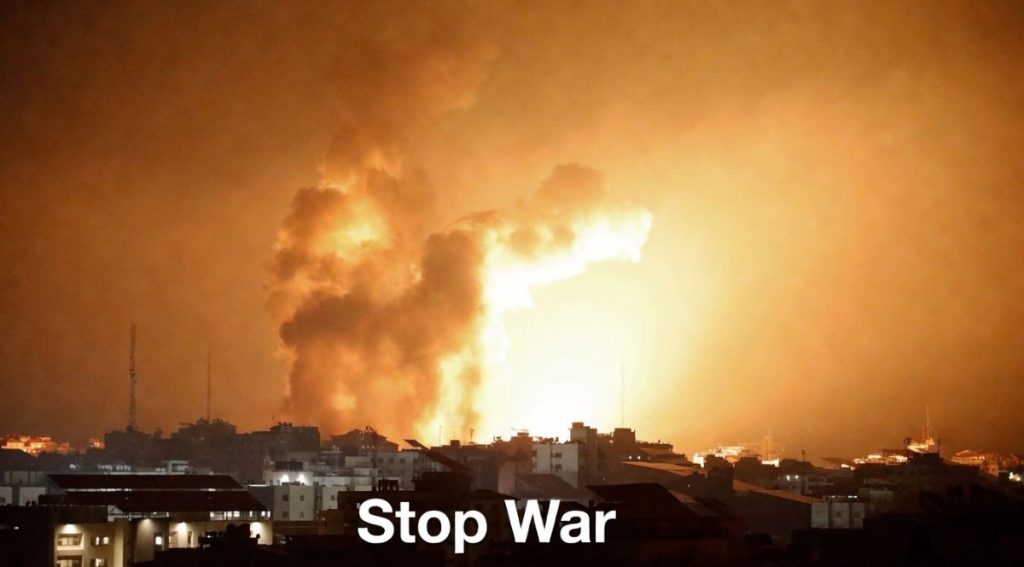
Global events often feel distant, but the Middle East conflict is already reshaping property markets across the world — including Australia. Rising oil prices, inflation pressure, and uncertainty around interest rates are creating ripple effects that could directly impact borrowing power, property prices, and mortgage rates.
For Australian home buyers, investors, and refinancers, understanding how the Middle East conflict changes property markets is now essential. From potential RBA rate hikes to increased construction costs and global capital flows into Australian property, the consequences could influence the housing market throughout 2026 and beyond.
In my experience watching mortgage cycles and global economic shocks, geopolitical conflicts tend to move markets faster than most people expect. The combination of energy price shocks, inflation risk, and interest rate policy means property buyers need to stay informed and act strategically.
How the Middle East Conflict Changes Property Markets Worldwide
The Middle East conflict and property markets are closely linked because energy prices affect inflation, interest rates, and economic confidence.
When tensions escalate in the region, oil supply risks rise — especially around key shipping routes such as the Strait of Hormuz. Higher oil prices feed directly into global inflation, forcing central banks to consider tighter monetary policy.
Why Rising Oil Prices Impact Real Estate Markets
Higher oil prices affect property markets in several ways:
- Increased construction and transport costs
- Higher inflation leading to potential interest rate hikes
- Reduced borrowing power for home buyers
- Slower economic growth and reduced investment activity
Energy-driven inflation has historically triggered aggressive monetary responses from central banks.
According to the Reserve Bank of Australia, controlling inflation remains its primary objective when energy costs surge and consumer prices accelerate.
For Australian property markets, that often translates to higher mortgage rates and tighter borrowing capacity.
Could the Middle East Conflict Trigger an RBA Rate Hike?
One of the biggest questions Australian borrowers are asking is whether the Middle East conflict could trigger new RBA rate hikes.
Why the RBA Watches Global Conflicts Closely
Central banks monitor geopolitical events because they directly influence inflation and economic stability.
If energy prices remain elevated for several months, inflation may stay above the RBA’s target band. That could force policymakers to maintain higher interest rates or even tighten monetary policy.
The RBA explains its inflation control strategy here:
https://www.rba.gov.au/monetary-policy/
Historical Lessons From Oil Shocks and Property Markets
History shows how energy shocks can reshape housing markets.
During the 1970s oil crisis, inflation surged globally and central banks responded with aggressive rate increases. Property prices eventually corrected in several major economies as borrowing costs soared.
In Australia, the 1990–91 Gulf War period saw oil prices spike and interest rates surge, leading to a sharp slowdown in property markets.
For today’s buyers, that historical precedent matters.
How the Middle East Conflict Changes Borrowing Power for Home Buyers
One of the fastest ways geopolitical conflict affects property markets is through borrowing capacity.
Higher Interest Rates Reduce Borrowing Power
When mortgage rates rise, buyers can borrow less.
Even small rate increases significantly affect loan capacity.
For example:
- A 0.5% rate rise can reduce borrowing power by around 5–8%
- A 1% rate rise can reduce borrowing power by 10–12%
For a buyer approved for $1 million, that could mean losing $80,000–$120,000 in purchasing power.
This is why many borrowers are closely watching big four Australian banks:
- Commonwealth Bank
- Westpac
- ANZ
- NAB
Mortgage rate movements from these major lenders often signal broader changes across the lending market.
Construction Costs and Property Development Risks
Another major way the Middle East conflict changes property markets is through rising development costs.
Why Energy Prices Drive Construction Inflation
Property development relies heavily on energy-intensive industries such as:
- Steel manufacturing
- Cement production
- Transport and logistics
When fuel prices increase, construction costs follow.
Industry analysts at the Australian Bureau of Statistics regularly report that construction inflation is closely tied to global commodity and energy prices.
Higher development costs may lead to:
- Fewer new housing projects
- Delays in construction timelines
- Increased property prices due to reduced supply
Ironically, that supply constraint can sometimes support property prices despite economic uncertainty.
Safe Haven Capital: Why Global Investors Buy Australian Property During Conflict
Geopolitical instability often triggers a less obvious effect on property markets: capital flight into stable countries.
Australia has historically benefited from this trend.
Why Sydney and Melbourne Attract Global Property Investors
International investors frequently see Australia as a safe destination for capital due to:
- Political stability
- Transparent legal systems
- Strong property rights
- Stable banking institutions
Cities like Sydney and Melbourne consistently rank among the world’s most stable real estate markets.
During previous global crises:
- Wealth from Asia flowed into Australian property during the Ukraine crisis
- International investors sought Australian assets during the COVID pandemic
- European capital diversified into Australian property following Russian sanctions
That pattern may repeat during the current Middle East conflict.
Which Australian Property Markets Could Be Most Affected?
Not all property markets respond to geopolitical shocks the same way.
Perth Property Market Outlook
Cities tied to energy exports may benefit.
Perth, supported by Western Australia’s resources sector, may see economic growth from higher energy prices.
This could support local property demand.
Sydney and Melbourne Property Market Outlook
Energy-importing cities face higher cost pressures.
Rising fuel prices increase development costs and household expenses, potentially slowing housing demand.
However, international capital flows may offset some of that weakness.
Brisbane Property Market Outlook
Brisbane sits somewhere in the middle.
Its diversified economy and infrastructure investment pipeline provide some protection, but construction costs and interest rate movements will still influence demand.
What Should Home Buyers Do If Interest Rates Rise in 2026?
If the Middle East conflict pushes interest rates higher, buyers and investors may need to adjust their strategy.
Many borrowers are already taking proactive steps:
- Locking in fixed mortgage rates
- Stress testing budgets against higher rates
- Accelerating property purchases before borrowing power falls
- Avoiding off-the-plan purchases with long settlement timelines
From my perspective working in mortgage markets, the key risk for buyers is waiting too long while borrowing power shrinks.
Will Property Prices Fall Because of the Middle East Conflict?
The most common question I hear right now is simple:
Will the Middle East conflict cause property prices to fall?
The honest answer is: it depends on duration.
Short conflicts usually have limited property market impact.
However, prolonged geopolitical disruption can affect:
- Interest rates
- inflation
- global investment flows
- construction costs
Those factors combined determine whether property prices fall, stagnate, or continue rising.
FAQ: Middle East Conflict and Property Markets
How does war affect property markets?
War and geopolitical conflict increase economic uncertainty, raise energy prices, and influence interest rates. These factors can reduce borrowing power and impact housing demand.
Could the Middle East conflict increase mortgage rates in Australia?
Yes. If oil prices remain elevated and inflation rises, the Reserve Bank of Australia may maintain higher interest rates or consider further tightening.
Is Australian property a safe investment during global conflict?
Historically, Australia has attracted international capital during periods of geopolitical instability due to its stable economy and legal system.
Should buyers wait to purchase property in 2026?
Waiting can sometimes reduce risk, but it may also reduce borrowing capacity if interest rates rise. Many buyers are reviewing their financial position carefully before making decisions.
What This Means for Australian Home Buyers
The Middle East conflict and property markets are now closely connected through inflation, energy prices, and interest rate policy.
While geopolitical instability creates uncertainty, Australia’s housing market still benefits from strong underlying fundamentals:
- Persistent housing shortages
- Strong population growth
- Global demand for stable property assets
For buyers, the key is staying informed and monitoring interest rate trends and lender mortgage pricing.
If you’re considering buying, refinancing, or reviewing your loan, it’s worth checking how today’s rates compare across lenders.
Compare the latest home loan rates and explore refinancing options on the Ratebuster homepage to see how much you could potentially save.