
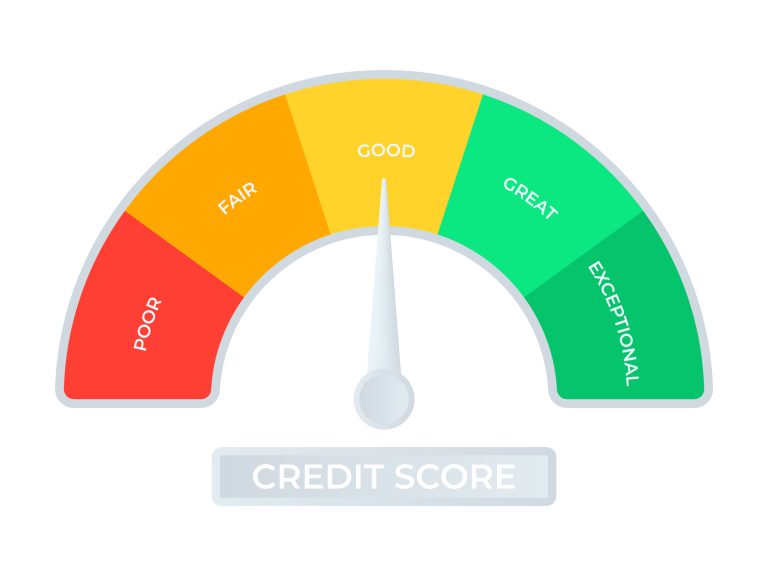

If you’re someone who tries to avoid borrowing money as much as possible, you might face some difficulties when it comes to purchasing a property. In Australia, a home loan is almost essential in the real estate market. Not having a credit history could make your mortgage application more challenging.
What is Credit History?
Credit history is a record of your borrowing activity. This includes information on credit products from the past two years. Repayment history, credit applications, bankruptcies, and debt agreements. Every time you apply to borrow money in Australia, a record is created. Credit reporting agencies, or credit bureaus, keep track of this information for each Australian.
Why Having Credit History Matters
A credit history is essential because it influences the bank’s decision to approve your loan. Your past financial behaviour is a significant indicator of how you may manage your finances in the future. And without a credit history, the banks cannot assess this. Therefore, it would be challenging to determine whether they can be trusted to borrow a significant amount of money.
Additionally, having no credit history also means no credit score. It is crucial in determining your creditworthiness. However, not having a credit history does not automatically mean that banks will decline your home loan application. Some lenders still offer home loans to borrowers with no credit history.
Can I Get A Home Loan Without a Credit History?
Yes, applying for a home loan without a credit history is possible. Obtaining a home loan may be easier for those with no credit history than other credit products. For example, personal loans or credit cards.
This is because the property’s value secures a home loan. The lender can repossess the property and sell it to recover its money in the event of a default. It reduces its financial risk. However, without a credit history, you may need to provide your lender with additional evidence of your financial stability. For example, proof of income and savings for your home loan deposit. Each lender will have different eligibility criteria. Other terms and conditions may apply.
Even if approved for a home loan, you may not be offered the lowest interest rate. After a few years of building your credit history and growing your equity, you can refinance to another mortgage offer with better terms and rates.
Can I Check My Credit History?
Yes, you can check your credit history for free once a year from credit reporting agencies such as Equifax, Experian, and Illion. Checking your credit history regularly can help you ensure that the information is accurate and up to date and can also help you identify any errors or fraudulent activity.
Why Would I Have No Credit History?
There are a few reasons why someone may not have a credit history:
Limited Credit Activity
You may not have a credit history if you’ve never applied for a credit card, loan, or any other credit product. And have never signed up for utilities or a phone or internet contract. This could be because you have always used prepaid services or relied on your parents or spouse for utilities and other bills.
New to the Country
If you’ve recently moved to a new country, you may not have a credit history yet. Even if you have a good credit score in your home country, it won’t automatically transfer to your new country of residence. You’ll need to start building credit from scratch in your new country.
Limited Credit History
If you’ve only recently started using credit products or have a limited credit history, you may not have a total credit score. This could make getting approved for credit products or receiving favourable interest rates challenging.
No Credit Activity
If you haven’t used credit in a long time, your credit score may be inactive or considered “stale.” This could make getting approved for credit products or receiving favourable interest rates challenging.
It’s essential to start building your credit history as soon as possible. A good credit score can make getting approved for loans, credit cards, and other financial products easier and can result in better interest rates and terms.

Explainer: First Home Super Saver Scheme
What Is the FHSS Scheme? The First Home Super Saver (FHSS) scheme helps first-time home buyers save for a deposit by making voluntary contributions to

Beyond the Basics: Expat Home Loans Options and Hidden Costs
Most people think the hard part of expat home loans Australia is finding a good rate. In reality, the real hurdles are the behind-the-scenes rules:

How Much Can I Borrow to Build a Specialist Disability Housing?
The National Disability Insurance Scheme (NDIS) is a government initiative designed to provide financial support to Australians with disabilities. Generally, the scheme specifically allocates

Reserve Bank of Australia Lifts Cash Rate To 3.35%.
RBA Interest Rate Increase: What It Means for You The RBA interest rate increase has now occurred for the ninth consecutive time, pushing the

Australian House Prices Rising Fast: Housing Market Surge
Housing Market Surge Amid Tight Supply and Strong Demand Australia’s housing market has entered a new phase of growth, defying expectations of a slowdown. Despite

How to Structure Multiple Mortgages for Property Growth
Building a property portfolio is one of the most effective ways Australians grow long-term wealth. But as your portfolio expands, so does the complexity