

Credit Score for Home Loan Eligibility

When buying a house, your credit score is a crucial factor that lenders consider, as it indicates your track record of managing debt.

A good credit score can make the home-buying process smoother and more affordable. This is because the higher your credit score, the more likely you are to qualify for a lower mortgage interest rate, saving you money over the life of the loan. 


In short, a strong credit score is a valuable asset when you’re looking to buy a home, as it can help you secure a more favourable mortgage rate and make your dream of owning a house more attainable. 

What is a Credit Score?

A credit score is a numerical representation of your creditworthiness as a borrower. Lenders typically review your credit report, which includes your credit score, to assess the risk of lending to you. 


Your credit score can affect whether a lender approves your credit application and the terms they offer you, such as interest rates and credit limits. The credit reporting agency you use will assign your credit score a number between 0 and 1,000 or 0 and 1,200, depending on the agency. 


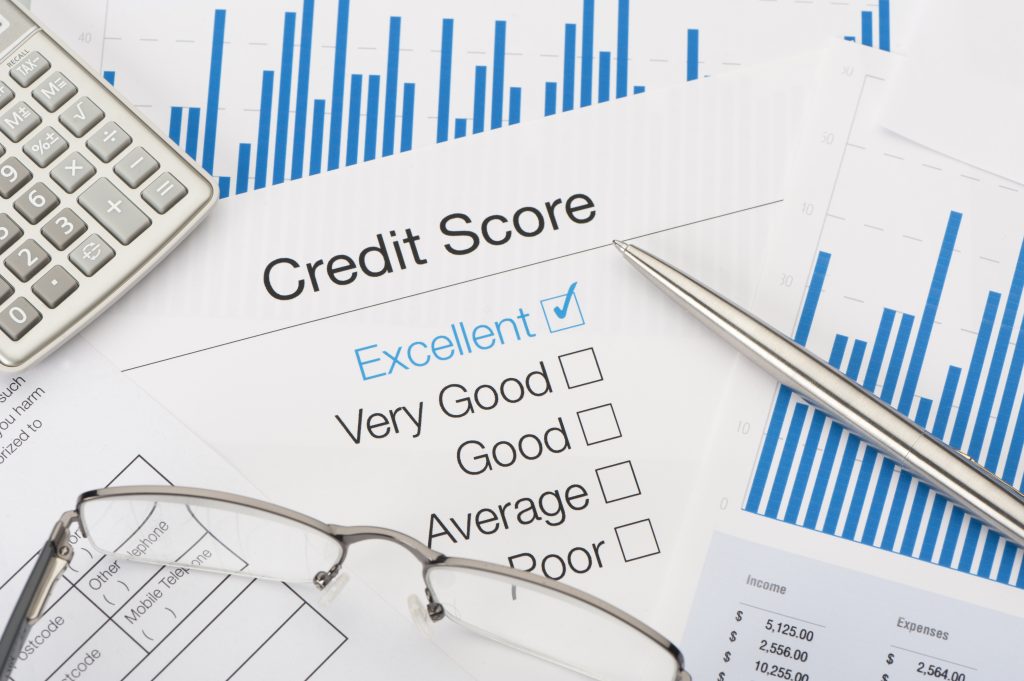
Lenders generally prefer higher credit scores, which can result in better credit rating bands, such as excellent, very good, good, or low. 

How does your credit score impact your ability to get a home loan?

In Australia, three leading credit reporting agencies – Equifax, Experian, and illion – collect and maintain credit information on individuals and businesses. Each agency may have different information on your financial history and use other methods to calculate your credit score. 

It’s important to note that your credit score is not a fixed number and can change over time based on your financial behaviour. A high credit score can increase your chances of getting approved for credit or loans with favourable terms. In contrast, a low score may result in higher interest rates or even rejection of your credit applications. 


Therefore, it’s crucial to regularly check your credit report from all three agencies to ensure that the information is accurate and up-to-date. You can also improve your credit score by paying bills on time, reducing debts, and avoiding multiple credit applications within a short period. 


Companies often rely on credit scores to evaluate your creditworthiness and financial health when you apply for credit products such as mortgages, credit cards, and auto loans. Landlords also use credit scores to screen potential tenants and insurance companies to assess the risk of providing coverage. In addition, credit scores are used to determine the interest rate and credit limit you receive for a particular credit product. 

What's a Good Credit Score?

In Australia, your credit score typically ranges between 0 and 1,000 or 0 and 1,200, depending on the credit reporting agency. Each agency may use a slightly different scoring model, which can result in variations in your credit score between agencies. 

While no fixed minimum credit score is required to qualify for a home loan, having a score below 500 may make getting approved for a loan more challenging. Lenders typically use credit scores to assess the risk of lending to a borrower, and a low score can indicate a higher risk of default. 


However, it’s important to note that credit scores are not the only factor lenders consider when assessing a home loan application. Other factors such as income, employment history, savings, and overall financial health also significantly influence the loan approval process. 

What If I Have a Low Credit Score?

If you have a low credit score, don’t worry, it’s not the end of the world. You can take steps to improve it and get on track to better financial health. Here are 5 easy steps you can follow: 

Pay bills on time

Late payments can hurt your credit score. Make sure to pay your bills on time every month. You can set up automatic payments or reminders to help you stay on track. 

Reduce debts

High debt levels can also negatively impact your credit score. Make a plan to pay off your debts, starting with the ones with the highest interest rates. You can also consider consolidating your debts into one loan to make payments more manageable. 

Avoid multiple credit applications

Applying for multiple credit accounts within a short period can lower your credit score. Try to limit your credit applications and only apply for credit when you really need it. 

Check your credit report

Your credit report contains important information that affects your credit score. Regularly check your report for errors or inaccuracies and work to correct them as soon as possible. 

Use credit responsibly

It’s important to use credit responsibly by keeping your balances low and only using credit for necessary expenses. This can help you build a positive credit history and improve your credit score over time. 

alt

    Simply Enter Your Details To Speak To A Certified Mortgage Advisor About Your Loan Today.


    alt

    About