


Introduction:
If you’re facing challenging personal or financial circumstances, home loan default can occur more frequently. It’s essential to be aware of the risks involved if you’ve defaulted on your mortgage or anticipate doing so in the future. Understanding home loan default and its implications can help you navigate financial difficulties and avoid serious consequences. Here’s everything you need to know about defaulting on your mortgage and how to protect your financial well-being.
What is a Mortgage Default?
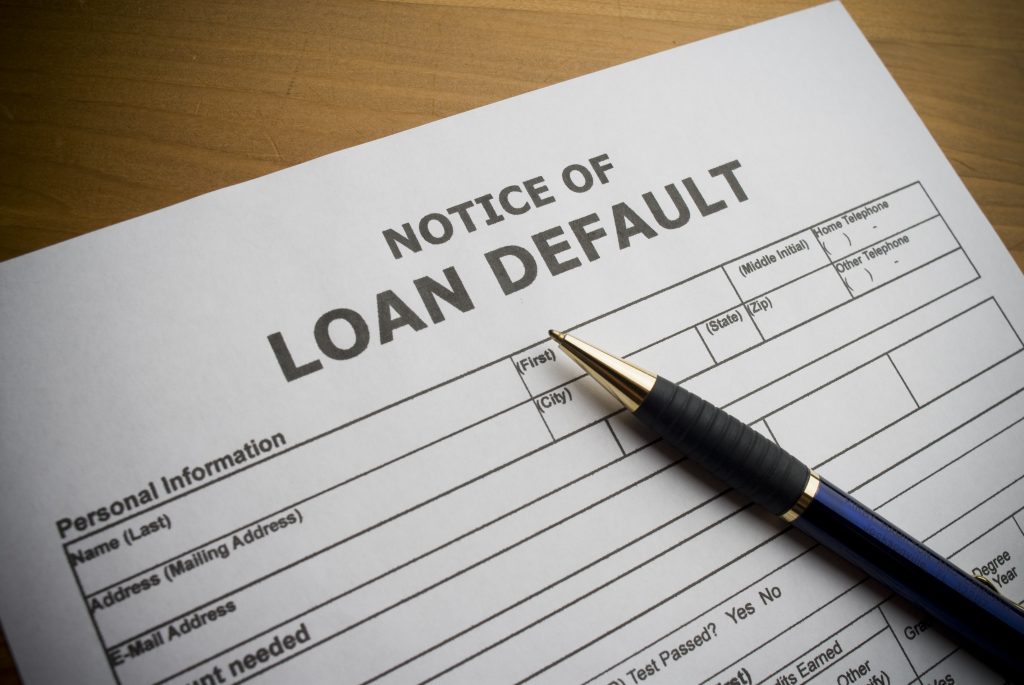
A mortgage default occurs when a borrower fails to make their mortgage repayments and falls behind on payments. If the borrower misses a payment, the lender has the option to issue a default notice, typically after 30 days or once the repayment is overdue for 90 days or more.
Once a default notice is issued, the borrower has 30 days to repay the overdue amount, including any outstanding repayments.
If repayment is more than 60 days overdue, some credit agencies may record a mortgage default on the borrower’s credit report if the lender has sent written notices requesting payment and warnings about potential credit reporting.
Mortgage Default vs. Arrears
While mortgage default and arrears are often used interchangeably, they have distinct meanings. Arrears refers to a situation where a borrower is behind on payments but has not yet received a default notice from the lender. Most lenders allow a grace period of one to two weeks before considering payments overdue.
After the grace period, the borrower is considered to be in arrears. A lender may issue a default notice after the borrower has been in arrears for an extended period, usually after 30 days. Most lenders won’t take further action until the borrower reaches the 90-day mark.
What Happens if You Default on Your Mortgage?
If you default on your mortgage, your lender will send you a default notice demanding repayment of missed payments and any applicable late fees. Typically, you’ll have around 30 days to address the default.
If you can repay the debt, do so promptly to avoid further financial complications. However, if you’re unable to repay, you still have options:
-
Request alternative options: You can ask your lender to modify your mortgage repayments, extend your repayment period, or delay enforcement actions.
-
Stay in contact with your lender: Regular communication with your lender is crucial after receiving a default notice. If you fail to respond, your lender may flag you with a “clearout” on your credit report, indicating that you have no intention of repaying the debt. This can stay on your credit report for up to 7 years.
In certain situations, the lender may not be required to give the 30-day notice. These include:
-
Fraudulent activity by the borrower
-
Failure to contact the borrower after repeated attempts
-
Immediate action required to protect the mortgaged property

How to Avoid Defaulting on Your Mortgage
Defaulting on your home loan can have severe consequences, including damage to your credit rating and possible foreclosure. Fortunately, there are strategies to avoid defaulting and ensure your financial security:
1. Build up an Emergency Savings Buffer
It’s important to set aside 3-6 months’ worth of living expenses in an emergency savings fund. This will help you manage your mortgage repayments during unforeseen financial difficulties.
2. Don’t Borrow Outside Your Means
Before taking out a home loan, carefully assess your financial situation. Avoid borrowing more than you can afford to repay, ensuring you stay within a comfortable budget for your mortgage.
3. Obtain a Lower Home Loan Interest Rate
Search for home loans with low-interest rates. Even a small reduction in your interest rate can save you thousands of dollars over the life of your loan.
4. Change Your Home Loan if Necessary
If you’re struggling with mortgage repayments, consider changing your loan terms. You might want to switch to an interest-only loan, extend your loan term, or refinance for a lower interest rate to ease financial pressure.
5. Don’t Be Afraid to Seek Help
If you find yourself in financial distress, reach out to your lender. They may offer solutions to help you stay current with your mortgage repayments. Remember, lenders prefer to work with paying customers rather than pursuing non-paying ones.
Conclusion
If you’re at risk of defaulting on your home loan, it’s crucial to take action quickly. Understanding mortgage default and its consequences is the first step toward protecting your financial future. Explore all available options, such as modifying your loan or building an emergency savings buffer, to prevent falling behind on payments.
By being proactive and communicating with your lender, you can avoid the negative impact of default and keep your financial position secure.
Explore:
-
Australian Financial Complaints Authority – Mortgage Default Advice
-
NSW Government: Financial Assistance Programs for Homeowners
