If you’re buying a home, refinancing, or investing in property, home loan calculators are the fastest way to understand your numbers before you commit. In seconds, they can show how much you can borrow, what your repayments might be, and how much interest you could save—without speaking to a lender.
Why Home Loan Calculators Matter (and Why Millions Use Them)
Home loan calculators help borrowers estimate costs, compare options, and make better decisions before applying for (or changing) a mortgage. They use inputs like income, expenses, loan amount, interest rates (fixed or variable), and loan terms (principal and interest or interest-only) to deliver instant estimates—so you can plan with confidence.
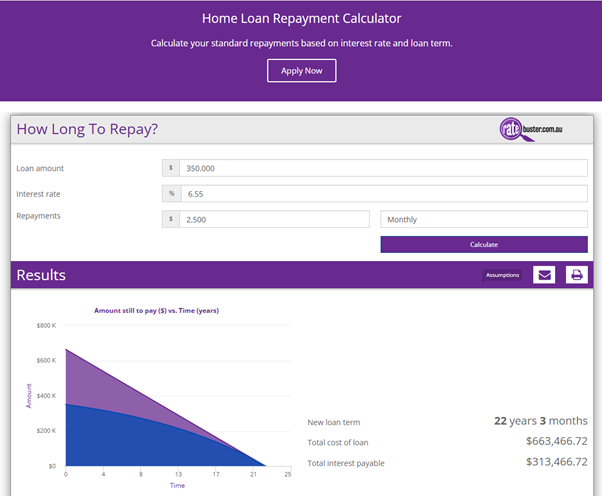
All Home Loan Calculators Made Simple (Complete Breakdown)
Repayment Calculator (Principal & Interest vs Interest-Only)
What does a mortgage repayment calculator do?
A home loan repayment calculator estimates your regular repayments—weekly, fortnightly, or monthly—based on the loan amount, interest rate, loan term, and repayment type.
Inputs
- Loan amount
- Interest rate
- Loan term (e.g. 30 years)
- Repayment type (P&I or interest-only)
Shows
- Repayment amount
- Total interest payable
- Total loan cost over time
Best for
- Understanding affordability
- Comparing mortgage rates
- Seeing the difference between interest-only and principal & interest loans
Ratebuster’s Home Loan repayment calculator here.
Borrowing Power Calculator (How Much Can I Borrow?)
How much can I borrow using a borrowing power calculator?
A borrowing power calculator estimates the maximum loan amount a lender may approve, based on your income, expenses, and existing debts.
Inputs
- Income (single or joint)
- Living expenses
- Existing debts (credit cards, car loans, HECS/HELP)
- Interest rate buffer
Shows
- Estimated borrowing limit
Best for
- First-home buyers
- Early planning before inspections
- Understanding lender serviceability rules
Stamp Duty Calculator
What is a stamp duty calculator?
A stamp duty calculator estimates government stamp duty payable when buying property in Australia.
Inputs
- Purchase price
- State or territory
- Buyer type (first-home buyer, owner-occupier, investor)
Shows
- Stamp duty payable
- Concessions or exemptions (if eligible)
Best for
- Budgeting upfront costs
- Avoiding settlement shortfalls
Click here for our stamp duty calculator
Loan Comparison Calculator
How does a loan comparison calculator work?
A loan comparison calculator compares two or more home loans side-by-side to show which option costs less over time.
Inputs
- Loan amount
- Interest rate
- Fees
- Loan term
Shows
- Total interest over the life of the loan
- Potential savings between options
Best for
- Choosing between lenders
- Balancing rate vs fees
- Long-term cost comparison

Refinance Calculator
Is refinancing worth it? Use a refinance calculator.
A refinance calculator estimates how much you could save by switching home loans.
Inputs
- Current loan balance
- Current interest rate
- New interest rate
- Refinance costs
- Cashback offers (if applicable)
Shows
- Monthly repayment savings
- Lifetime interest savings
- Break-even point
Best for
- Existing homeowners
- Evaluating cashback refinance deals
- Reducing repayments or shortening the loan term
Westpac Refinance calculator here.
Extra Repayments Calculator
How much faster can I pay off my home loan?
An extra repayments calculator shows how additional repayments reduce interest and loan duration.
Inputs
- Loan amount
- Interest rate
- Extra repayment amount
Shows
- Years shaved off the loan
- Interest saved
Best for
- Paying off your mortgage faster
- Using bonuses or salary increases effectively
Offset Account Calculator
What does an offset account calculator show?
An offset account calculator estimates interest savings from money held in an offset account linked to your home loan.
Inputs
- Loan balance
- Offset balance
- Interest rate
Shows
- Interest saved
- Reduced loan term
Best for
- Homeowners with savings
- Tax-effective interest reduction (especially for owner-occupiers)
Ratebuster’s mortgage offset calculator can easily be accessed from the knowledge hub or here
Redraw vs Offset Calculator
Redraw vs offset: which is better?
A redraw vs offset calculator compares interest savings, access, and flexibility between the two options.
Shows
- Interest saved under each option
- Access differences
- Potential tax implications (for investors)
Best for
- Strategic loan structuring
- Investors and forward planners
LMI (Lenders Mortgage Insurance) Calculator
What is an LMI calculator?
An LMI calculator estimates lenders mortgage insurance when borrowing above 80% of a property’s value.
Inputs
- Property value
- Loan amount
Shows
- Approximate LMI premium
Best for
- Low-deposit buyers
- Assessing 5–10% deposit strategies
Rent vs Buy Calculator
Should I rent or buy?
A rent vs buy calculator compares the long-term financial outcomes of renting versus owning.
Inputs
- Rent amount
- Property price
- Interest rate
- Capital growth assumptions
Shows
- Estimated net wealth difference over time
Best for
- Lifestyle vs financial decisions
- Long-term planning
First Home Buyer Calculator
What help can first-home buyers get?
A first home buyer calculator bundles grants, stamp duty concessions, and loan costs.
Shows
- Total upfront cost
- Government assistance
- Required savings
Best for
- First-home buyers navigating incentives
Loan Term Reduction Calculator
What happens if I shorten my loan term?
A loan term reduction calculator shows how changing your loan term affects repayments and total interest.
Best for
- Switching from 30 to 25 or 20 years
- Balancing cash flow vs interest savings
Investment Property Calculator
How does an investment property calculator help?
An investment property calculator estimates cash flow, tax impact, and yield.
Inputs
- Rental income
- Loan interest
- Expenses
- Tax rate
Shows
- Positively or negatively geared outcome
Best for
- Property investors
- Portfolio planning
Split Loan Calculator
Should I split my home loan?
A split loan calculator models a loan split between fixed and variable rates.
Best for
- Managing interest rate risk
- Balancing certainty and flexibility
Quick Summary: Home Loan Calculators at a Glance
| Calculator Type | Main Purpose |
| Repayment | Affordability |
| Borrowing Power | Max loan estimate |
| Stamp Duty | Upfront costs |
| Comparison | Best value |
| Refinance | Savings analysis |
| Extra Repayments | Faster payoff |
| Offset | Interest reduction |
| LMI | Low-deposit planning |
| Rent vs Buy | Lifestyle decision |
| First Home Buyer | Grants & concessions |
| Investment | Cash flow & tax |
| Split Loan | Risk management |
Finance Calculators Explained
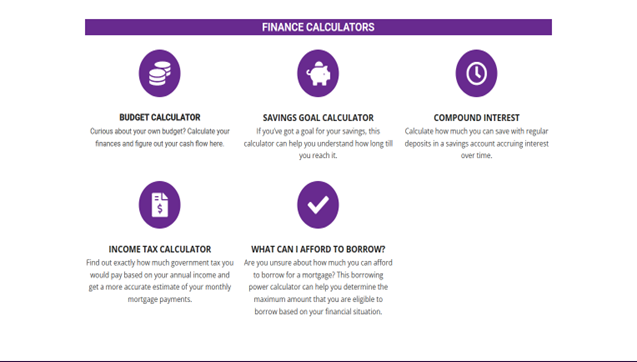
Budget Calculator
What is a budget calculator?
A budget calculator helps you understand your monthly cash flow by comparing your income with your regular expenses.
What it does
- Calculates how much money comes in versus goes out
- Shows whether you’re spending more than you earn
- Highlights surplus or shortfall each month
You enter
- Income (salary, bonuses, other income)
- Fixed expenses (rent, mortgage, utilities, insurance)
- Variable expenses (food, transport, entertainment)
What it shows
- Monthly surplus or deficit
- Where your money is going
Best for
- Understanding your financial position
- Preparing for a home loan or refinance
- Identifying areas to cut spending
Access all Ratebuster calculators. Here is the Ratebuster budget calculator.
Savings Goal Calculator
What is a savings goal calculator?
A savings goal calculator shows how long it will take to reach a savings target based on regular contributions.
It does
- Estimates the time needed to reach your savings goal
- Shows how contribution amounts affect timelines
What you enter
- Target savings amount
- Current savings balance
- Regular savings amount (weekly or monthly)
- Estimated interest rate (if applicable)
What it shows
- Time required to reach your goal
- Total contributions versus interest earned
Best for
- Saving for a home deposit
- Planning emergency funds
- Setting realistic financial milestones (Moneysmart)
Compound Interest Calculator
What is compound interest?
A compound interest calculator shows how savings grow when interest is earned on both your original balance and previously earned interest.
It does
- Calculates long-term savings growth
- Demonstrates the power of regular deposits
What you enter
- Starting balance
- Regular deposit amount
- Interest rate
- Investment timeframe
It shows
- Final balance over time
- Total interest earned
Best for
- Long-term saving strategies
- Understanding why starting early matters
- Comparing saving versus investing outcomes
Income Tax Calculator
What does an income tax calculator do?
An income tax calculator estimates how much tax you’ll pay based on your annual income.
It does
- Calculates estimated tax payable
- Shows take-home (after-tax) income
What you enter
- Annual income
- Employment type (if applicable)
it shows
- Estimated tax payable
- Net income after tax
Best for
- Budgeting more accurately
- Estimating true borrowing capacity
- Understanding take-home pay before applying for a mortgage
For official tax rates and thresholds, see the Australian Taxation Office
What Can I Afford to Borrow? (Borrowing Power Calculator)
How much can I afford to borrow?
A borrowing power calculator estimates the maximum home loan amount you may be eligible for based on your income and expenses.
It does
- Estimates borrowing capacity for a mortgage
- Factors in living expenses and existing debts
What you enter
- Income (single or joint)
- Monthly living expenses
- Existing loans and credit limits
- Interest rate buffer
it shows
- Estimated maximum loan amount
Best for
- First-home buyers
- Early property planning
- Setting realistic price ranges
Common Features of Home Loan Calculators (What to Look For)
Principal and Interest Breakdowns
Good calculators show how each repayment is split between principal and interest, helping you understand how your balance reduces over time.
Amortisation Schedules Explained
Amortisation schedules visualise your repayment journey, showing how interest decreases and principal increases as the loan matures.
Extra Repayment Options and Benefits
Even small extra repayments can significantly cut years and interest. Quality calculators demonstrate this clearly.
Lump Sum Payments and Savings
Simulating lump sum payments shows how bonuses or windfalls can accelerate repayment and reduce total interest. (Commonwealth Bank):
Key Terms Explained (Plain English)
- Principal & Interest (P&I): Repayments reduce the loan balance and pay interest.
- Interest-Only (IO): Repayments cover interest only for a set period.
- Fixed vs Variable: Fixed rates stay the same for a term; variable rates can change.
- LVR (Loan-to-Value Ratio): Loan amount as a percentage of property value; affects rates and LMI.
FAQs About Home Loan Calculators
Are home loan calculators accurate?
Home loan calculators provide estimates, not approvals. Accuracy depends on the quality of inputs and lender assessment rules.
Do banks use the same borrowing power calculators?
No. Each lender applies different serviceability buffers, expense benchmarks, and policies.
Which home loan calculator should I use first?
Most buyers start with a borrowing power calculator, then use a repayment calculator once a price range is clear.
Why do mortgage calculator results differ?
Results differ due to interest rate assumptions, expense inputs, buffers, and fees included or excluded.
Where to Compare Home Loans and Go Deeper
Trusted comparison platforms like RateBuster help borrowers compare rates, features, and cashback offers—but calculators are the first step to understanding your numbers.
Ready to Take the Next Step?
Now that you’ve seen the meaning/use of all home loan calculators, put them to work.
Explore the RateBuster’s Calculators page under knowledge hub or simply click here. Make smart decisions.
We offer free home loan comparison in one easy step. click here