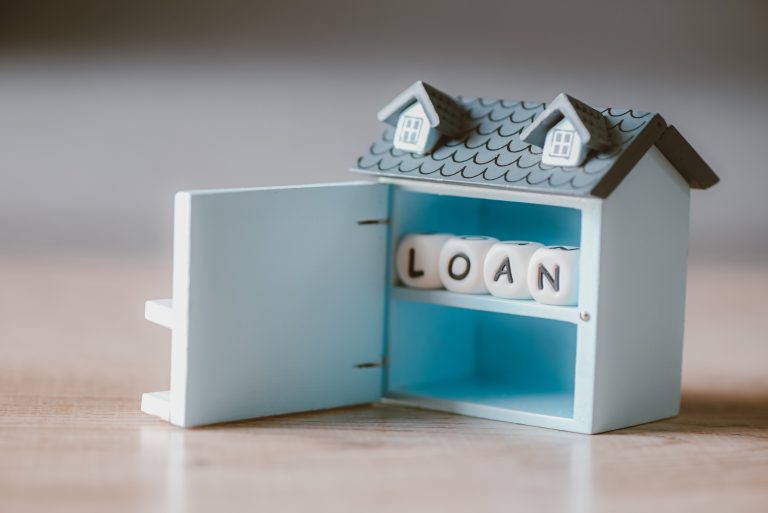

Property prices have shown signs of a potential decline from their previous peaks, yet it is evident that buying a home has become increasingly costly in recent years. According to data from the Australian Bureau of Statistics, the average Australian mortgage has surged by approximately 25%, surpassing $600,000 since June 2020. Discover what percentage of your income should go to your mortgage.
Housing Market in Australia
The COVID-19 pandemic played a significant role in the surge of property prices in Australia. Despite an initial decline in the housing market following the pandemic’s onset, housing values rebounded in the last quarter of 2020.
Over two years, from March 2020 to February 2022, housing values experienced a notable increase of 24.6%.
The property price boom in Australia can be attributed to three key factors. Firstly, implementing multiple cash rate cuts over the past decade led to decreased interest rates, resulting in historically low borrowing costs. Secondly, introducing government grants and initiatives to assist potential home buyers in entering the market also contributed to the surge. Lastly, the growth in household savings during COVID-19 lockdowns, as people stayed home and saved more, played a role in driving up property prices.
While property prices are declining in Australia, partly due to a rising cash rate, housing affordability remains a persistent issue.
What is the 28% Rule?
When considering the portion of your income that should be allocated to your mortgage, many lenders and mortgage experts recommend adhering to the 28% limit. This means your monthly mortgage repayments should not exceed 28% of your gross monthly income, which you earn before taxes are deducted. This percentage ensures that you stay below the mortgage stress threshold of 30%.
According to experts, exceeding 30% of your pre-tax monthly income on mortgage payments may indicate a risk of mortgage stress. It’s essential to keep this in mind when assessing your financial situation.
To illustrate, let’s consider the average weekly income of full-time working adults in Australia, which is $1,714 based on last May’s seasonally adjusted figures from the Australian Bureau of Statistics (ABS). To calculate the median monthly income, we multiply this figure by four (the number of weeks in a month) and then multiply the product by 0.28 to determine the 28% limit and by 0.3 to find the mortgage stress threshold.
Using the calculations:
$1,714 x 4 x 0.28 = $6,856 x 0.28 = $1,919.68 (28% limit) $1,714 x 4 x 0.28 = $6,856 x 0.3 = $2,056.80 (30% threshold)
Based on these calculations, an average working Australian should ideally allocate around $1,920 to their monthly mortgage repayment and avoid exceeding $2,057 to prevent falling into mortgage stress.
It’s essential to recognize that each individual’s financial situation is unique, and some may be able to allocate more than 30% of their income to their monthly mortgage while still maintaining a comfortable lifestyle. Assessing your circumstances and financial stability is crucial when determining an appropriate mortgage payment percentage.
Determining Your Home Affordability
Determining how much house you can afford requires carefully assessing your financial situation. Since everyone’s income and expenses vary, it’s essential to calculate your potential monthly payment based on your specific circumstances. Here are some key figures to consider:
Income
Calculate your monthly earnings from your primary job and any additional sources of income, such as side hustles. Ensure you have both the gross and net numbers available. You can find these details on your most recent pay stub. If your income fluctuates, refer to your most recent tax returns for a reliable estimate.
Debt
Consider all your outstanding debts, including credit card balances, student loans, car loans, personal loans, and any other debt you owe. Differentiate between debt and monthly expenses, as expenses may vary from month to month.
Down Payment
Determine the amount of cash you are prepared to pay upfront for purchasing a home. While a 20% down payment can help eliminate private mortgage insurance charges from your monthly costs, buying a home is not always mandatory. Remember that a higher down payment will result in a lower monthly mortgage payment.
Credit Score
Your credit score is crucial in obtaining favourable interest rates from lenders. A good or excellent credit score enables you to access the lowest interest rates, leading to a more affordable monthly payment. Conversely, a low credit score may increase interest rates and monthly costs.

RBA Lifts Interest Rate for Ninth Consecutive Time
Australia’s central bank has announced another rate hike, marking the ninth consecutive increase aimed at controlling inflation. The Reserve Bank of Australia (RBA) lifted the

How Do Mortgage Brokers Get Paid?
How Do Mortgage Brokers Get Paid in Australia? Becoming a mortgage broker can be rewarding. The role offers high earning potential and doesn’t require

Top Capital Growth Recorded in Tasmanian City.
Undoubtedly, Australia’s real estate market has experienced a surge in the last 20 years, making it difficult for a whole generation of prospective buyers

Where are Australian Expats Buying Property? A Global and Domestic Guide for 2026
For Australians living and working abroad—the expats—buying property is a crucial financial and emotional decision. While many choose to invest back home, the tightening of
Australia’s Lowest IO Investment Rates Compared
In the competitive world of Australian property investment, every basis point on your interest-only loan can mean thousands saved annually. With rates fluctuating amid economic

Revolving Credit Mortgages Explained
A revolving credit mortgage functions similarly to an all-in-one bank account with a substantial overdraft feature. It allows you to borrow, deposit, and withdraw at