


In July 2023, the Reserve Bank of Australia (RBA) decided to maintain the national cash rate without any changes. There are changes to expect as your fixed rate period concludes. It brings a sense of relief to mortgage holders currently locked into fixed rates. However, it is important to remain cautious, as there might be potential challenges awaiting borrowers as their fixed rate term nears its conclusion. Being vigilant and adequately prepared becomes crucial in such circumstances.
Understanding the Fundamentals of Variable vs Fixed Interest Rates
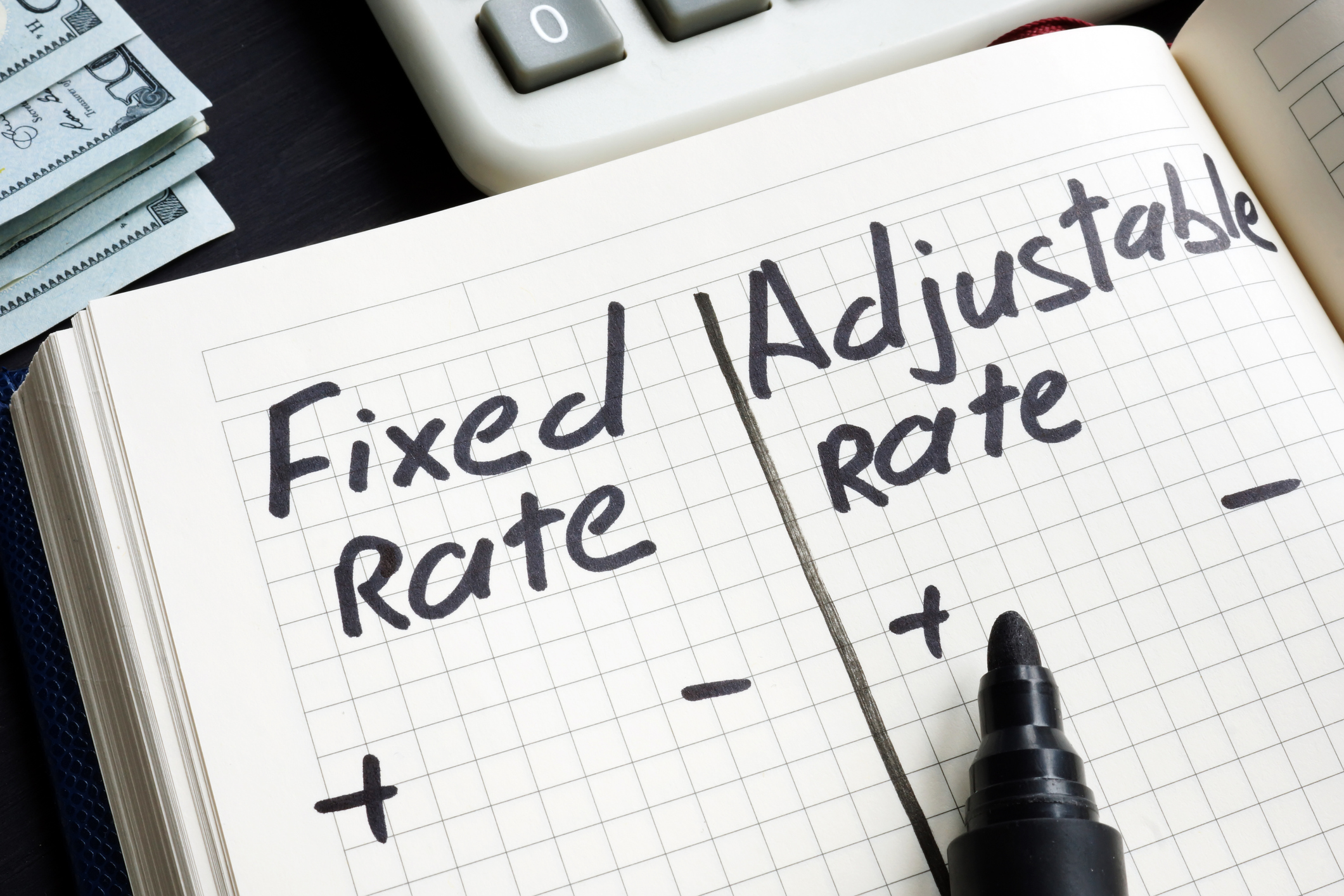
In Australia, many home loans come with variable interest rates that fluctuate based on various economic factors. These fluctuations can impact the monthly (or fortnightly or weekly) repayments, directly affecting household budgets.
To provide stability and simplify budgeting, some individuals opt for fixed interest rates. It is typically for a predetermined period of 12 months to 5 years. With a fixed rate, borrowers are shielded from changes in variable interest rates enforced by the lender. This ensures that their repayments remain constant throughout the fixed-rate term.
However, it’s important to note that prematurely ending a fixed-rate term, such as refinancing with another lender, often entails costly break fees.
Understanding the Relationship between Cash Rates, Mortgage Rates, and Your Finances
Variable interest rates, a key aspect of mortgage rates, are heavily influenced by the national cash rate target determined by the Reserve Bank of Australia (RBA). The cash rate represents the interest rate at which banks lend money to one another and serves as a significant benchmark for borrowing costs.
In May 2022, after 11.5 years, the RBA increased the cash rate by 25 basis points. This move prompted several major Australian banks to raise their home loan interest rates in response.
Following this, the RBA continued its rate hikes. In June 2022, there was a substantial 50 basis point increase, the largest since February 2000. The RBA implemented additional 50-point rate hikes in July, August, and September 2022. Subsequently, in October and November 2022, the RBA reduced the pace to 25 basis point hikes. After a break in January 2023, the RBA increased rates by 25 points each in February and March. This brings the cash rate to 3.60%. The hiking cycle paused in April 2023 but resumed with a 25-point rise in May. Another hike followed in June, reaching 4.10%. However, in July 2023, the RBA chose to maintain the rates on hold, leaving open the possibility of future rate increases later in the year.
Research indicates that a cash rate hike could result in homeowners with a $750,000 balance paying $1,816 more in mortgage payments compared to April 2022. Further rate increases remain a possibility due to the RBA’s commitment to managing inflation. Some economists predict a potential pause in the cash rate later in 2023 and even the possibility of rate cuts in 2024. Such developments could help alleviate mortgage stress for homeowners with variable interest rates.
What Happens When My Fixed Rate Period Ends?

There are borrowers who secured a home loan with a fixed interest rate prior to the Reserve Bank of Australia’s (RBA) announcements. There may be a sense of relief as their interest rate remains unchanged throughout the fixed rate period, ensuring consistent home loan repayments.
However, once this fixed rate period concludes, the mortgage is likely to transition to a variable interest rate. Typically, this variable rate aligns with the lender’s standard variable rate. It tends to be higher than discounted variable rates offered to attract new customers. With the recent cash rate hikes, the variable rate may exceed expectations. It will potentially be leading to unexpected financial strain and mortgage stress if not handled carefully.
What are the available options to consider when the fixed rate period ends?
Option 1: Stick with the variable rate.
If your current financial situation allows you to comfortably manage the mortgage repayments despite transitioning to a variable interest rate, continuing with your existing home loan may be a viable choice. It’s important to be aware, however, that potential future rate increases can raise the risk of mortgage stress.
Option 2: Re-fix the rate.
Some lenders offer the option to re-fix the interest rate on your home loan once the fixed rate term expires. While the new fixed rate might not match the previous one, it provides a level of stability. It also minimizes the impact of rate rises on your household budget. Keep in mind that not all lenders permit multiple re-fixing options or may even offer this choice.
Option 3: Consider refinancing.
If your current lender’s variable revert rate is beyond your comfortable affordability or re-fixing options are limited, exploring the possibility of refinancing with another lender becomes crucial. Refinancing allows you to switch your mortgage to a new lender offering lower fixed or variable rates. It’s important to meet the eligibility criteria of the new lender. Such as having sufficient equity in the property and be aware of associated fees and charges.
Option 4: Seek expert advice.
If you find yourself uncertain about the optimal choice for your financial circumstances at the end of the fixed rate period, consulting your mortgage broker can provide valuable guidance. These professionals possess expertise in home loans and can assess your financial situation to recommend the most suitable home loan options tailored to your specific needs.
