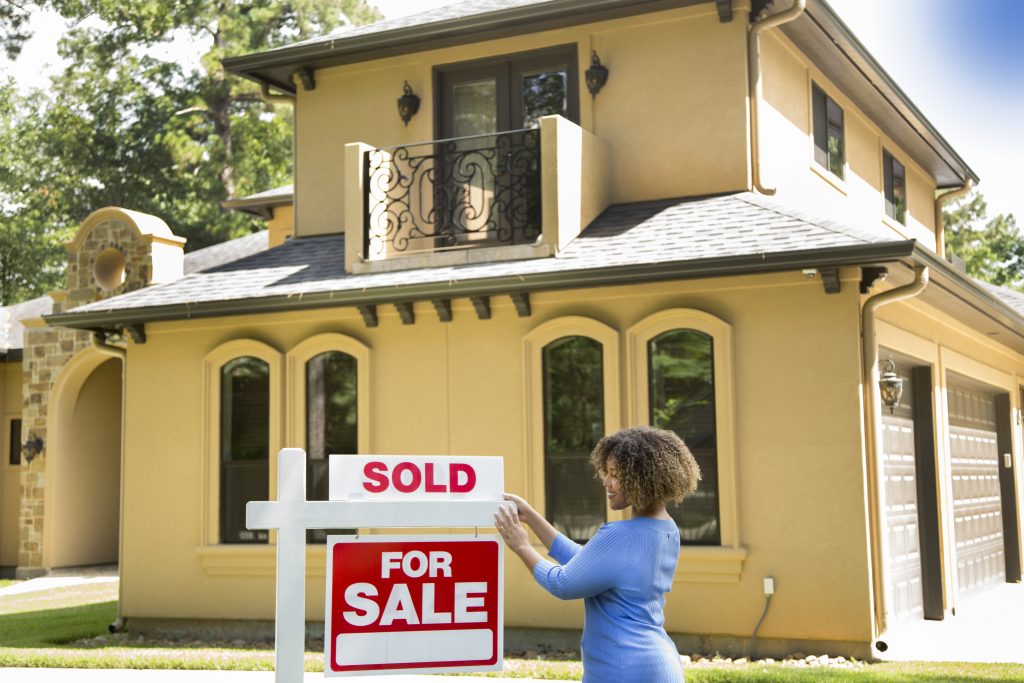


Selling your house is a significant financial decision that should bring excitement rather than excessive stress. The expenses of selling your home privately can vary depending on your chosen approach. For instance, free marketing methods like word-of-mouth, unpaid social media posts, or homemade signs can incur minimal costs. However, it is essential to note that achieving a wider reach and attracting more potential buyers often requires additional investments in paid advertising or alternative marketing strategies.
How to Sell Your Aussie Home
Whether you’re a first-time seller or have sold properties, you must be well-prepared and informed to avoid surprises. Below, we outline the steps involved to help guide you through the process:
Prepare Your Property
Before listing your property, getting it in top shape is crucial. Consider making necessary repairs, decluttering, and enhancing its curb appeal. You may also want to consider staging your home to make it more appealing to potential buyers.
Determine a Competitive Price
Research the current real estate market and consult with a real estate agent or appraiser to determine the right price for your property. Pricing it immediately can attract more buyers and lead to faster sales.
Find a Reliable Real Estate Agent
Collaborating with a qualified real estate agent with experience selling properties in your area can significantly streamline the process. They can provide valuable insights, market your property effectively, and negotiate on your behalf.
List Your Property
Your real estate agent will help you create an enticing listing that showcases your property’s best features. This will include high-quality photographs, a compelling description, and accurate details about the property’s size, amenities, and location.
Market Your Property
In addition to listing your property on multiple listing services, your agent will employ various marketing strategies to reach potential buyers. This may include online advertising, open houses, virtual tours, and networking within their professional network.
Receive and Negotiate Offers
As offers come in, your agent will present them to you and guide you through the negotiation process. They will help you evaluate each request, consider contingencies, and negotiate terms to secure the best possible deal.
Complete the Paperwork
Once you’ve accepted an offer, you’ll need to complete the necessary paperwork, which typically includes the purchase agreement, disclosure forms, and additional legal documents. Reviewing these documents carefully and seeking legal advice if needed is crucial.
Conduct Inspections and Appraisals
The buyer may request inspections and appraisals to assess the property’s condition and value. Be prepared for these assessments and address any concerns during this phase.
Finalise the Sale
Once all contingencies have been satisfied, the buyer’s financing is secured, and any necessary repairs or negotiations have been completed, you’ll close the sale. This involves signing the final documents, transferring ownership, and receiving payment.
Move Out and Transfer Utilities
Before the closing date, you’ll need to arrange to transfer utilities, cancel any subscriptions or services tied to the property, and prepare for your move. Make sure to leave the property in the agreed-upon condition.
Key Factors to Consider When Selling Your Home
Prepare Your Property
Preparing your property for sale is crucial to attract buyers and maximise your selling price. This involves making necessary repairs, decluttering, staging, and enhancing curb appeal.
Determine a Competitive Price
Conduct thorough research on the real estate market to set a fair asking price for your property. Pricing it immediately can generate interest and lead to faster sales.
Marketing and Advertising
When selling on your own, you’ll need to take charge of marketing and advertising your property. Utilise online platforms, social media, and traditional marketing channels to reach potential buyers effectively.
Showcasing Your Property
Arrange open houses and private viewings for interested buyers to tour your property. Ensure your property is presentable, and be prepared to highlight its unique features and answer any questions.
Negotiating With Buyers
You’ll need to negotiate directly with potential buyers when offers come in. Be prepared to navigate price negotiations, contingencies, and other terms of the sale. Consider seeking legal advice to ensure a fair and legally binding agreement.
Handling Paperwork and Legal Requirements
Selling a property involves extensive paperwork, legal documents, and compliance with local regulations. Staying organised and seeking professional advice is crucial to ensure all necessary documentation is completed accurately.
Property Inspections and Appraisals
Buyers may request property inspections and appraisals to assess its condition and value. Be prepared to address any issues that arise during this process.
Closing the Sale
Once an agreement is reached, you’ll need to coordinate with the buyer to complete the necessary paperwork, transfer ownership, and arrange for the disbursement of funds. Hiring a real estate attorney can help ensure a smooth and legally compliant closing process.
Selling a property entails a comprehensive approach beyond just displaying a for sale sign and waiting for buyers to come knocking. Achieving your desired selling price, meeting your timeline, and minimising stress and effort require careful planning.

Rentvesting: Get into the market faster
Rentvesting is quickly becoming one of the smartest and most talked-about property strategies in Australia right now—and for good reason. If you’ve

Your DTI is Too High and 9 Other Mistakes Self-Employed Borrowers Make
Securing a mortgage as a self-employed individual can feel like navigating a maze, especially when lenders scrutinize your finances more intensely than

How Long It Now Takes First-Home Buyers to Save for a 20% Deposit 2026 Housing Affordability Statistics
For many Australians, the biggest barrier to home ownership is no longer interest rates alone — it is the time required to save a 20%

Potential Interest Rate Drop: Implications for Your Finances
After undergoing 13 consecutive increases in the cash rate since its initial rise in early May 2022, the Reserve Bank of Australia (RBA) is

Home Loan Borrowing Calculator: How Much Can You Borrow?
Find out exactly how much you can borrow before you start house hunting. This guide explains how borrowing power calculators work, what drives the numbers, and how to get the most accurate result.

Is an Investment Home Loan Interest Only?
If you’ve been researching investment home loans lately, you’ve probably noticed one phrase appearing again and again: interest-only mortgage. There is something you