


The RBA chose to maintain interest rates at its October meeting. This provided significant relief to millions of borrowers in the country. On Tuesday afternoon, the Central Bank of Australia announced the decision. They decided to keep the cash rate steady at 4.1 per cent.
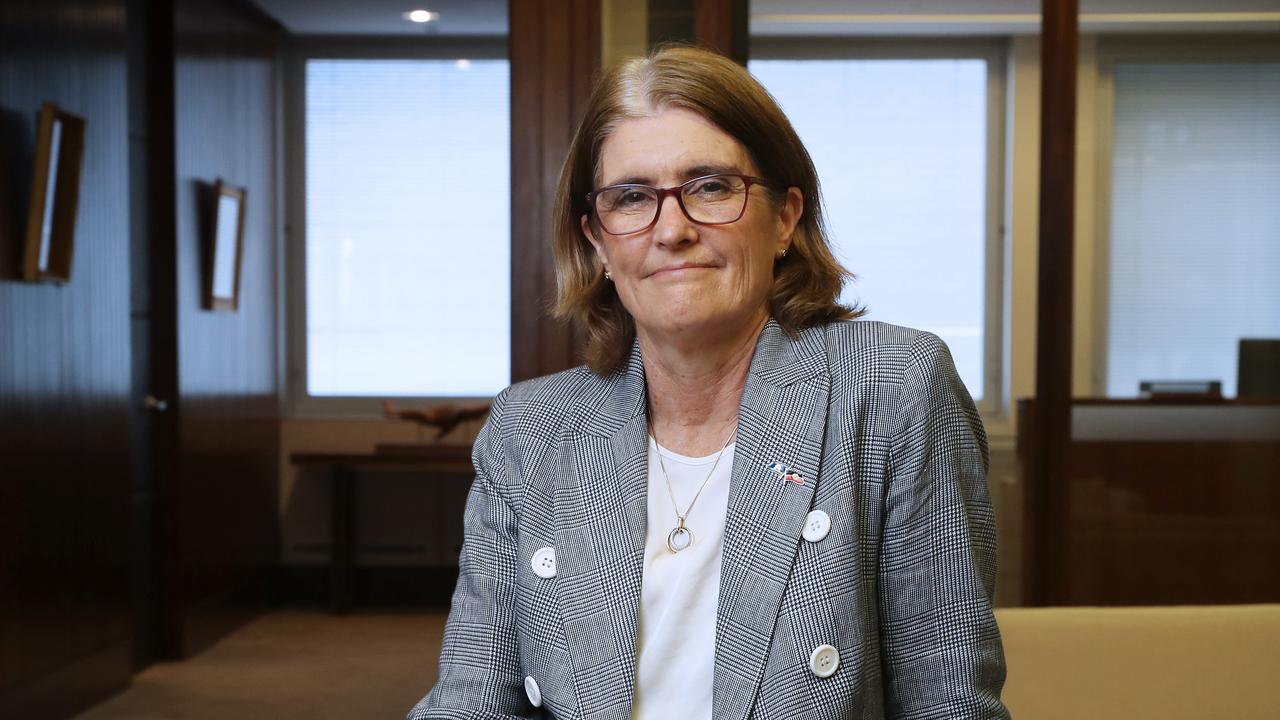
It marks the first month under the leadership of Michele Bullock. She assumed the role following the resignation of the previous governor, Philip Lowe. In her address to the public, Bullock issued a sobering warning. She affirmed that, like her predecessor, she would not dismiss the possibility of future rate hikes.
Mitchell Bullock’s Remarks
In her inaugural statement as the new governor, Bullock emphasized the effectiveness of the consecutive rate increases. She stated, “The higher interest rates are working to establish a more sustainable balance between supply and demand in the economy and will continue to do so.” She further noted that while inflation had passed its peak, it still remains too high and will persist for some time.
The RBA considered several data points. These influenced their decision not to raise rates in October. This included a further easing of goods prices and stronger-than-expected growth in the Australian economy during the first half of 2023.
However, there still exist areas of concern. She pointed out that many services are experiencing a brisk rise in prices. Fuel prices have seen a noticeable increase recently.
Ms. Bullock left room for potential future rate hikes. She emphasized the board’s unwavering commitment to restoring inflation to target levels. She vowed to take any necessary actions to achieve this goal. Meanwhile, other experts cautioned that rate cuts are still far from imminent.
Despite the prolonged period of interest rate pauses, experts caution that rate cuts are unlikely to occur until the year following next.
Bond markets anticipate future interest rates. They indicate no plans for interest rate cuts in 2024. This aligns with Jonathan Kearns’ perspective. He’s a former senior economist at the Reserve Bank of Australia (RBA) and now serves as the Chief Economist at Challenger. Kearns, who held a position in domestic markets at the RBA until March this year, stated earlier this week that he envisions interest rates remaining stable until 2025.
Kearns believes Australia is entering a long plateau, not a peak in rates.
He thinks if there’s a move in the next 12 months, it’s more likely to be up than down. The decision to maintain the rate aligned precisely with market expectations. A panel of 38 financial experts, convened by the comparison website Finder, unanimously predicted a rate pause. It marked the first instance of complete consensus among the panel since the commencement of rate hikes in May of the previous year.
Since May of the prior year, the RBA has implemented interest rate increases every month. The exceptions were April, July, August, September, and now October. Australian mortgage holders welcome this respite.
Nonetheless, Australians are currently grappling with the nation’s highest cash rate since 2011. They’re enduring a 400-basis point surge over the course of a year. The cash rate has experienced a substantial leap from its historic pandemic low of 0.1 per cent to its current rate of 4.1 per cent. Even with this pause, Australians are still contending with additional costs from lenders.
Canstar Money
On Tuesday, Comparison site Canstar unveiled research indicating that among the 90 banks and lenders it scrutinized, 48 percent, or 43 of them, have raised variable interest rates. The same trend extended to fixed interest rates. The analysis discovered that 81 percent of lenders offering fixed rates hiked them by an average of 0.27 percent.
Canstar money expert Effie Zahos commented on the findings saying analysis shows lenders are not waiting for official cash rate movements to adjust their home loan interest rates. With the aim of clawing back profit margins, lenders have increased variable and fixed rates in the three months the Reserve Bank has left the cash rate paused at 4.1 per cent.
This development coincided with revelations in February that some of Australia’s major banks were under scrutiny for exploiting customers in relation to their returns on savings accounts. The research highlighted that while banks promptly passed on the burden to mortgage holders whenever interest rates increased, we cannot say the same for customers with savings.
Conclusion
The impacts of the RBA’s consecutive interest rate hikes over several months are still awaiting realization. According to recent analysis by RateCity.com.au, 730,000 homeowners have already faced mortgage difficulties this year. They project that 150,000 more Australians will encounter similar challenges before the year concludes.
Simultaneously, confidential briefings within the Reserve Bank uncover a startling surge in middle-class Australians with six-figure incomes seeking financial crisis support in light of heightened mortgages. Documents obtained through freedom of information laws reveal that affluent individuals are turning to the National Debt Helpline, a service providing free financial counseling to those in need for the first time.
The memo reports an escalating influx of calls to the NDH. These are from individuals who have not previously encountered financial hardship or utilized social services. It cited instances of callers who are employed. Specific examples included high-earning mortgage holders. They reside in affluent Sydney suburbs.
