Renting in Australia: Prices, Trends & Key Insights
Renting in Australia has become increasingly competitive and expensive in recent years. Whether you’re looking to rent a house or a unit in major cities like Sydney or regional towns across the country, understanding the rental market trends is essential. According to the latest data from PropTrack, rental prices have surged nationwide, reflecting growing demand and limited supply.
Rising Rental Prices Across Australia
Over the past 12 months, advertised rental prices across Australia have increased by 11.1%, highlighting a sharp upward trend. In the March quarter of 2025, capital city rents rose by 4%, contributing to a 13% year-on-year jump. In regional areas, rents went up by 2.2% quarter-on-quarter, with annual growth of 4.5%.
These figures illustrate the tightening conditions of the Australian rental market, making renting in Australia more challenging for tenants across both metropolitan and regional locations.
Average Rent Prices for Houses in Australia
The average rent for a house in Australia differs by location:
-
Canberra: $690/week (most expensive)
-
Sydney: $650/week
-
Darwin: $620/week
-
Brisbane & Hobart: $550/week
Annual growth for house rents was 10.4%, slightly behind units.
🧭 Related guide: Tips for First-Time Renters in Australia
🌍 Explore also: Prop Track Market Report
Unit Rentals: Average Prices in Capital Cities
Units saw a slightly higher increase compared to houses, with an 11.6% growth. Median weekly unit rents in Australia:
-
Canberra & Sydney: $550/week
-
Darwin: $520/week
-
Brisbane: $465/week
-
Hobart: $462.50/week
This data confirms that renting in Australia—especially in inner-city areas—is becoming more costly for both unit and house seekers.

Rental Market Pressure & Bidding
Due to increased competition, many renters are now offering above-advertised prices or several months’ rent upfront to secure a property. While this may seem like a strategic move, it’s important to note that rent bidding is prohibited in several Australian states and territories.
✅ Check the rules in your area via the Australian Competition & Consumer Commission
Rental Vacancy Rates in Australia
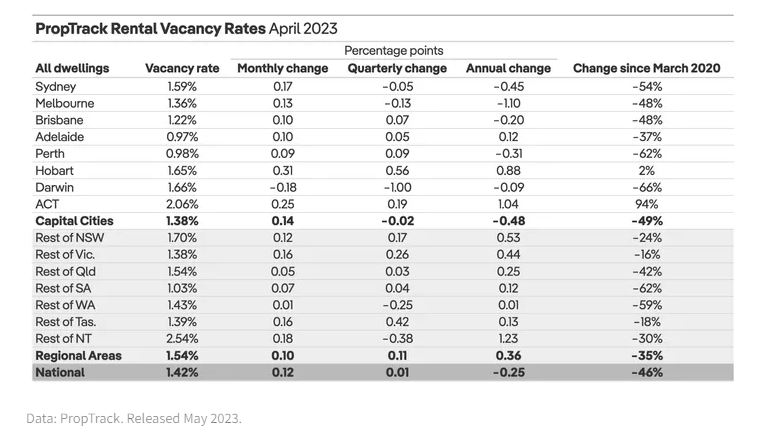
As of April 2025, the national rental vacancy rate stands at 1.42%, a slight increase of 0.12%. Here’s a breakdown by city:
-
Adelaide & Perth: Lowest vacancy (<1%)
-
Darwin: 1.66%, with a decrease of -0.18%
-
Regional Australia: Vacancy increased by 0.10%, yet remains tight
Low vacancy rates continue to drive up prices, affecting affordability and accessibility in the rental market.
Summary: Renting in Australia in 2025
In summary, renting in Australia is marked by record-high rental prices, increasing demand, and low vacancy rates. Whether you’re looking in capital cities or regional areas, it’s important to stay informed, follow legal rental practices, and consider your options carefully.