


For the third consecutive month, the Reserve Bank of Australia has maintained the official cash rate at 4.1%. This signals a cautious approach to evaluating the impact of the most significant surge in borrowing costs in thirty years on inflation levels.
During its September board meeting on Tuesday, the RBA opted to keep the cash rate steady at 4.1%. It’s a level not seen since mid-2012. This decision marks the final one under the tenure of outgoing governor Philip Lowe.
Lowe conveyed in a corresponding statement, “Australia’s inflation has crested and the July monthly CPI indicator indicates a continued decrease. Nevertheless, inflation remains elevated and is expected to persist in this state for the foreseeable future.”
Consistent with past practices, Lowe didn’t rule out potential future rate hikes, stating, “There might be a necessity for additional tightening of monetary policy to ensure a timely return of inflation to target. However, this will remain contingent on the data and our ongoing evaluation of associated risks.”
Despite a moderation in goods price inflation, there is a notable surge in the prices of various services, including heightened rent inflation. The central projection indicates a gradual decline in CPI inflation, with an anticipated return to the 2-3% target range by late 2025.
The central bank has raised interest rates.
Since initiating increases in May 2022, the central bank has raised interest rates by 400 basis points from a historically low 0.1%. This tightening of monetary policy played a significant role in reducing the annual headline inflation rate from its December peak of 8.4% to 4.9% in July.
It’s worth noting that Australia’s inflation rate remains higher than that of many comparable affluent nations and remains well beyond the RBA’s preferred target range of 2-3%. This target is not expected to be attained until 2025.
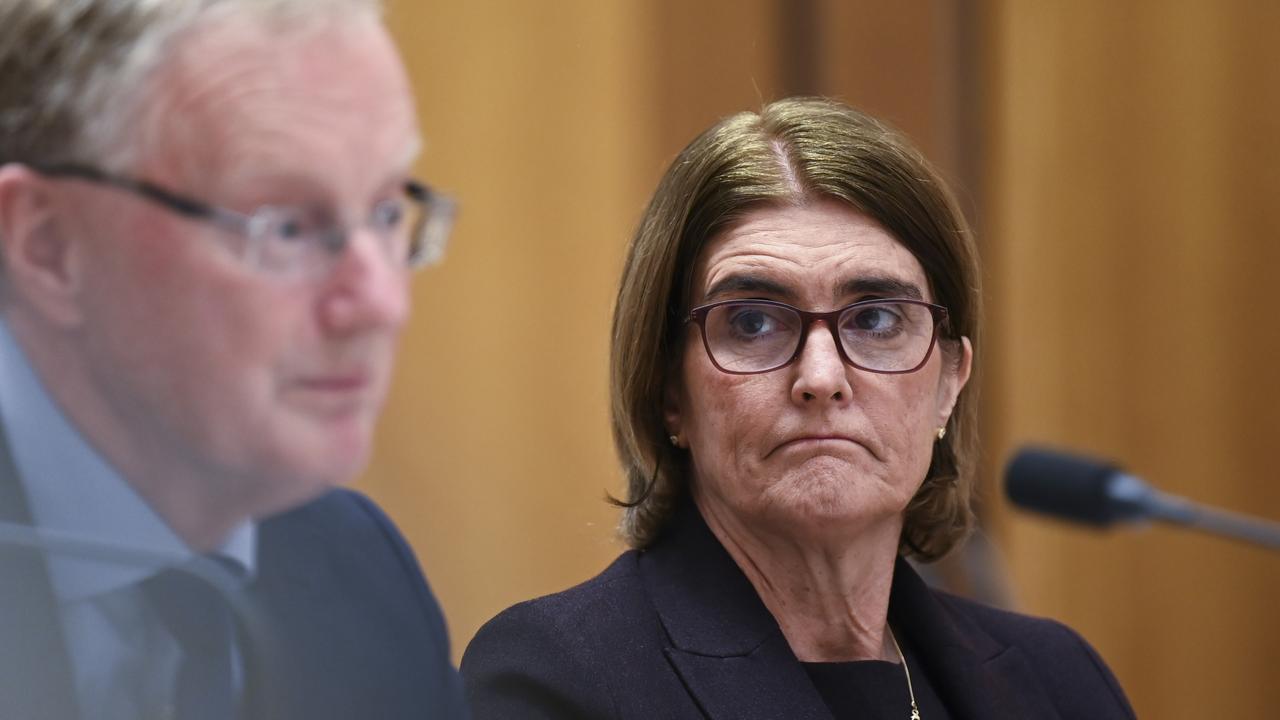
Countries like the United States have implemented higher key interest rates compared to the RBA. For instance, the main interest rate set by the US Federal Reserve stands at 5.25-5.5%, despite consumer inflation in the US being at 3.2% in August.
However, economists are growing more certain that the RBA’s actions thus far have been sufficient. The next adjustment in rates, anticipated under the tenure of incoming governor Michele Bullock, is leaning towards a potential decrease, though this might not materialize until a considerably later point, possibly well into 2024. Given Australia’s relatively higher dependency on variable interest rate loans, any changes, whether increases or cuts, are felt more promptly compared to other regions.
The Australian Bureau of Statistics (ABS) is s to unveil the national accounts data on Wednesday, revealing an anticipated further slowdown in the country’s GDP growth to approximately 1.8% on an annual basis for the June quarter. This trend of weakening economic indicators, including retail spending, is expected to continue, aligning with the RBA’s intended trajectory for inflation.
Market movement after RBA maintained the official cash rate at 4.1%.
Following the RBA’s predictable decision and absence of notable shifts in the bank’s statement, there was little market movement. The Australian dollar held steady at around 64.25 US cents. Stocks saw minimal change, registering a slight 0.3% decline immediately after the RBA announcement. Treasurer Jim Chalmers acknowledged the RBA’s recognition of economic uncertainties. For example, the financial strain on households and concerns about the Chinese economy due to property market pressures.
Chalmers noted that the higher interest rates impacted the economy. It is an effect the government anticipates seeing in the upcoming ABS national accounts data release. He expressed confidence in the government’s ability to navigate the challenges ahead. Chalmers also praised outgoing governor Lowe, while welcoming the appointment of Michele Bullock. She is the first female RBA governor, highlighting her exceptional expertise and leadership in central banking.
Michele O’Neil is president of the ACTU. He viewed Lowe’s departure as an opportunity for a change in direction for the central bank. He emphasizes the need for greater consideration of full employment and the influence of corporate profits on inflation.
Stephen Smith is a partner at Deloitte Access Economics. He pointed out that the RBA is increasingly recognizing the precarious state of the Australian economy following a series of 12 rate hikes. He highlighted indicators like reduced household spending. It is in July 2023 compared to the previous year. He stressed the vulnerable condition of the labor market and housing construction sector.
Ready to find the perfect home loan? Head over to our interest rate comparison website now and discover the best deals tailored to your needs. Don’t miss out on potential savings – compare and secure your dream home loan today!
