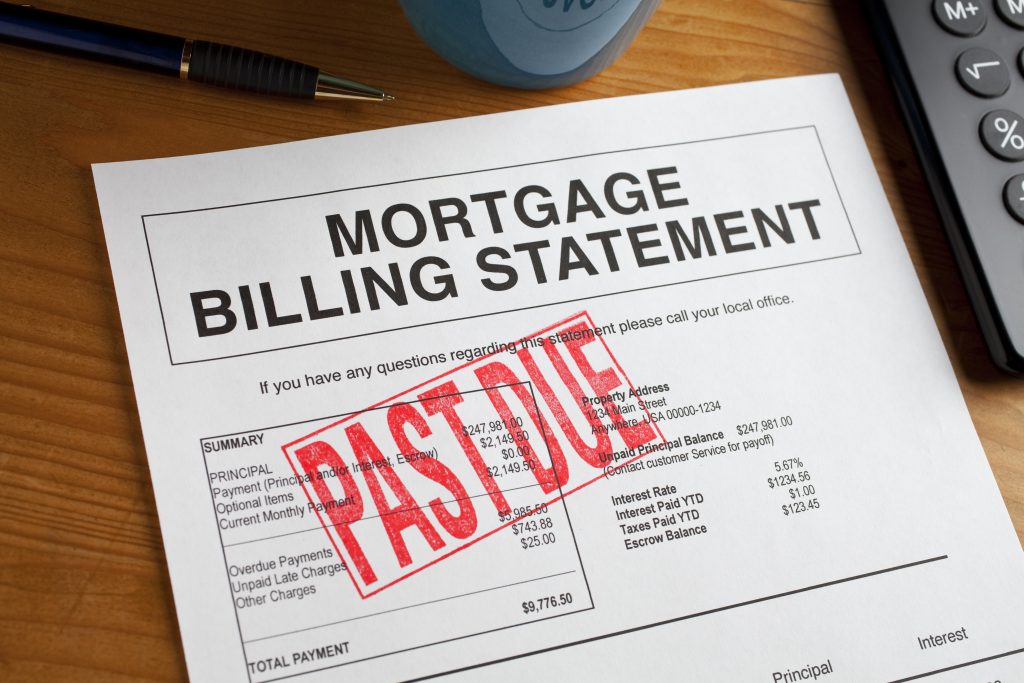


With the rise in mortgage interest rates, it’s understandable that some individuals may struggle to meet their home loan repayments. However, it’s essential to remember that help is available in such situations. The key is to seek assistance as early as possible to maximize the available options. So, what happens when mortgage repayments are late?
How Late Can Your Home Loan Repayments Be?
Most lenders offer a grace period for mortgage payments, understanding that occasional forgetfulness can happen. The grace period typically ranges from 7 to 15 days, during which no late fees are charged.
However, if you exceed the grace period and surpass approximately 14 days without making a payment, the late payment will likely be reported to credit bureaus and recorded on your credit report. While not as severe as a default, a late payment can still raise concerns among lenders when they review your credit history, especially if it becomes a recurring occurrence.
Late Mortgage Repayments
Several potential consequences exist if you’re late making your home loan repayments in Australia. Firstly, your lender may charge you a late repayment fee, which can vary depending on the lender and is usually either a flat fee or a percentage of the missed payment. This fee adds to the overall amount you owe.
Late repayments can also negatively impact your credit score. Your lender may report the missed payments to credit bureaus, which can significantly drop your credit score. A lower credit score can make it more difficult for you to obtain credit in the future, such as loans or credit cards, and may also affect your ability to secure favourable interest rates.
If you consistently miss payments over an extended period, your lender may take legal action to recover the outstanding debt. This can involve initiating foreclosure proceedings, where the lender seeks to repossess your property and sell it to recoup the money owed. Foreclosure can result in significant financial loss and long-lasting adverse effects on your credit score.
What You Should Do
Communicating with your lender if you’re facing challenges or anticipate missing a payment is crucial. Many lenders are willing to work with borrowers in such situations and may offer options for financial assistance. These options can include:
Repayment Holiday
Your lender may allow you to temporarily pause or reduce your loan repayments for a specific period, providing some financial relief.
Loan Restructure
This involves adjusting the terms of your loan to make it more manageable. For example, your lender might extend the loan term, reducing the monthly payments but potentially increasing the overall interest paid.
Financial Hardship Assistance
Some lenders have dedicated programs or support services to help borrowers facing financial hardship. They may work with you to develop tailored solutions based on your circumstances, such as restructuring the loan or providing temporary assistance.
Talking to your lender is a critical step. Engage in an open and honest conversation about your financial difficulties, as they may be willing to work with you to find a solution. Lenders often have programs or assistance measures to support borrowers experiencing financial hardships.

Home Equity Access Scheme Explained
/*! elementor – v3.13.3 – 28-05-2023 */ .elementor-column .elementor-spacer-inner{height:var(–spacer-size)}.e-con{–container-widget-width:100%}.e-con-inner>.elementor-widget-spacer,.e-con>.elementor-widget-spacer{width:var(–container-widget-width,var(–spacer-size));–align-self:var(–container-widget-align-self,initial);–flex-shrink:0}.e-con-inner>.elementor-widget-spacer>.elementor-widget-container,.e-con-inner>.elementor-widget-spacer>.elementor-widget-container>.elementor-spacer,.e-con>.elementor-widget-spacer>.elementor-widget-container,.e-con>.elementor-widget-spacer>.elementor-widget-container>.elementor-spacer{height:100%}.e-con-inner>.elementor-widget-spacer>.elementor-widget-container>.elementor-spacer>.elementor-spacer-inner,.e-con>.elementor-widget-spacer>.elementor-widget-container>.elementor-spacer>.elementor-spacer-inner{height:var(–container-widget-height,var(–spacer-size))} /*! elementor – v3.13.3 – 28-05-2023 */ .elementor-widget-image{text-align:center}.elementor-widget-image a{display:inline-block}.elementor-widget-image a img[src$=”.svg”]{width:48px}.elementor-widget-image img{vertical-align:middle;display:inline-block} If you’re an older

Real Estate 101: What Does it Mean When a Property is Under Offer?
Buying a property can feel overwhelming—especially if you’re unfamiliar with real estate jargon. Terms like “exchange of contracts,” “conveyancing,” and “settlement” often confuse first-time buyers.

Mortgage Exit Fees You Should Know
🏠 Mortgage Exit Fees Australia: What You Need to Know Before Ending Your Loan When purchasing a home in Australia, most buyers take out a

Top 10 Non-Bank Lenders vs Top 10 Bank Lenders Australia
Choosing between bank lenders vs non-bank lenders in Australia can literally save (or cost) you tens of thousands over the life of your mortgage. I’ve

RBA Raises Interest Rates to 4.1%, Affecting Homeowners
The RBA Raises Interest Rates to 4.1% Amid Concerns Over Inflation and Consumer Spending. During its June meeting, the Reserve Bank of

Home Loan Repayment Calculator: How to Use It and What It Means
Buying a home is one of the biggest financial decisions you will ever make, and figuring out how much you will actually owe each month