


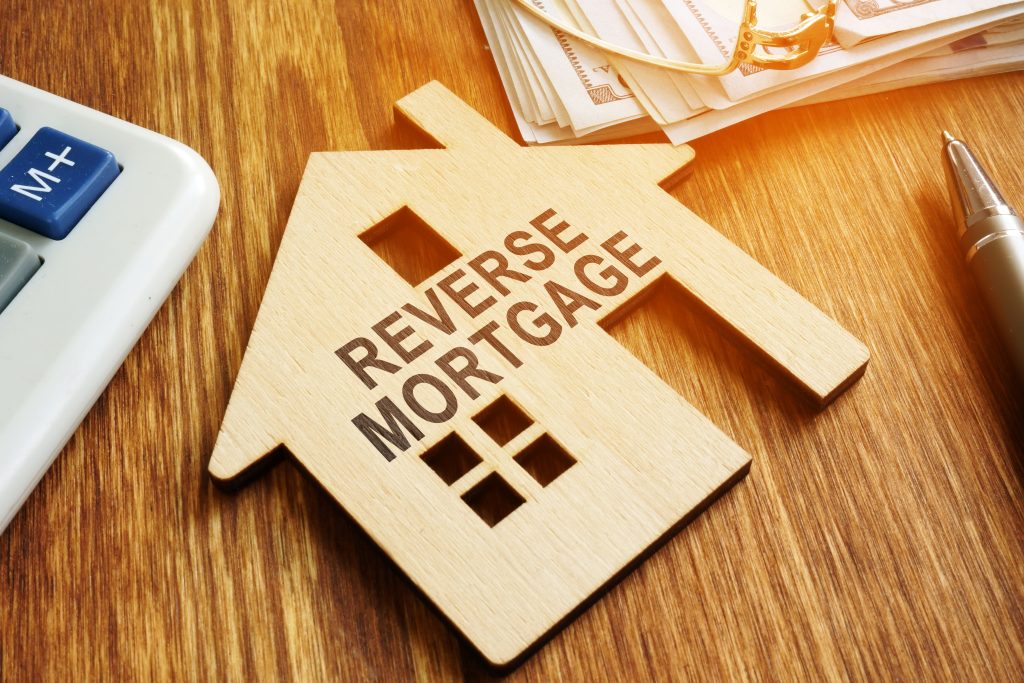
A reverse mortgage allows older Australians to access the equity in their home without having to sell or move out. It’s a loan designed for homeowners aged 60 or older who want to supplement their retirement income, fund lifestyle needs, or manage unexpected expenses.
Unlike a traditional mortgage, you don’t need to make regular repayments. Instead, the loan is repaid when you sell your home, move into aged care, or pass away. However, it’s important to understand the risks and benefits before proceeding.
How Much Can You Borrow With a Reverse Mortgage?
The amount you can borrow depends on your age and the value of your home. At age 60, you may access around 15–20% of your home’s value. For each year over 60, this figure increases by about 1%. For example:
-
Age 65 = Access up to 20–25%
-
Age 70 = Access up to 25–30%
This structure helps protect your equity over time.
ASIC Review of Reverse Mortgages in Australia
The Australian Securities and Investments Commission (ASIC) reviewed over 17,000 reverse mortgage loans and 111 individual case files. Their findings offer a valuable glimpse into how these products are being used and where consumer protections can improve.
Key Findings:
-
All 30 participants in ASIC’s consumer research reported that their reverse mortgage helped them meet their original goals.
-
No negative equity guarantees, implemented in 2012, ensure borrowers don’t owe more than the value of their home.
-
ASIC noted that many borrowers lacked clear guidance on how reverse mortgages might impact long-term needs like aged care.
📌 Learn more: ASIC’s Guide to Reverse Mortgages
Real-Life Examples: How Aussies Use Reverse Mortgages
-
Daily Expenses & Debt Relief
Paul borrowed $50,000 to pay off credit cards, improve her home, and cover everyday costs. -
Quality Time with Family
Caroline used a reverse mortgage to take holidays and create memories with her children. -
Travel Adventures
John accessed $70,000 to enjoy the overseas trip he’d always dreamed of. -
Family Support in Times of Crisis
Elizabeth left her job to care for her child. She later returned to work and made voluntary repayments on her reverse mortgage. -
Downsizing with Dignity
Allan used a reverse mortgage to finish building his dream home, planning to downsize later to repay the loan. -
Staying Independent at Home
Lorraine and Roger made home upgrades to support ageing in place. -
Unexpected Job Loss
Kathleen used her loan to supplement superannuation after an early job loss.

Things to Consider Before Taking Out a Reverse Mortgage
-
Interest rates are often higher than standard home loans.
-
You may have fewer providers to choose from, limiting your options.
-
Non-borrower residents (like adult children or partners) may be forced to move out if they’re not protected under the loan terms.
-
A reverse mortgage may affect your eligibility for government benefits or aged care support.
Final Thoughts: Is a Reverse Mortgage Right for You?
While a reverse mortgage can offer greater financial freedom during retirement, it’s not the right solution for everyone. It’s essential to:
-
Compare products and providers
-
Understand the long-term implications
-
Seek financial and legal advice before signing any agreements
📌 Explore:
