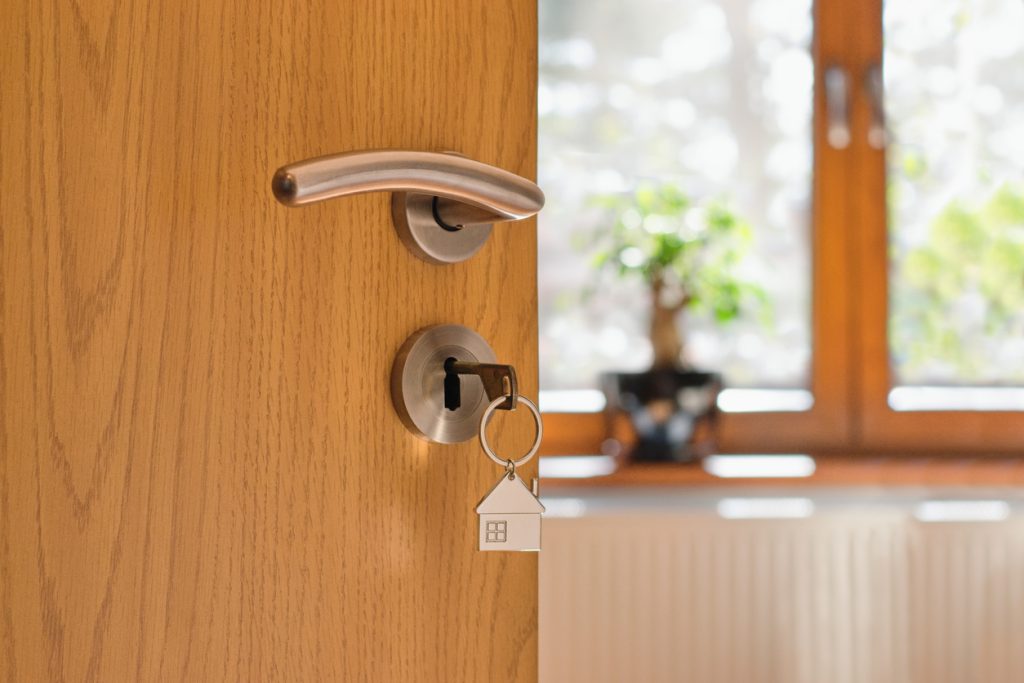


Home Loans for Vacation Properties

Home loans for vacation

There’s no denying the appeal of a holiday home as a perfect escape. After a hectic day, week, or month in a bustling city, there’s no better place to unwind. However, when considering a home loan for vacation properties or even using it to generate income, the experience can sometimes differ from our initial expectations.

Qualifying for Loans for Vacation Homes

The amount you can borrow for a holiday home loan can vary depending on various factors and the specific policies of lenders. Sometimes, lenders may offer up to 95% of the property value loans. However, it’s worth noting that you may have the opportunity to secure a loan of up to 100% of the property value if you leverage the home equity of your existing property or have a guarantor. 


If you intend to use the property for investment purposes, specific lenders may require a rental income letter that outlines the projected rental income for the upcoming year. Typically, lenders consider up to 80% of the rental income when determining the loan amount for a vacation home. 

Vacation Homes for Self-Use

Purchasing a holiday home for personal use can bring many advantages, such as a fulfilling lifestyle and potential tax benefits. Owning a holiday house allows you to visit at your convenience and enjoy extended stays whenever desired. 


However, it’s essential to consider that a holiday home solely used for personal purposes won’t generate rental income. Consequently, the responsibility of covering mortgage repayments falls entirely on your shoulders. This additional financial burden can create stress, especially if you already have a mortgage on your primary residence. 


It’s worth noting that insurance providers may not offer coverage for a vacant property exceeding 60 days per year. This is due to the increased risk of break-ins during extended periods of absence.  


If the property remains unoccupied for prolonged periods, emergency repairs, such as fixing a burst water pipe, may take longer to address, potentially causing further inconvenience. 

Vacation Homes for Rental

There are essential factors to consider when purchasing a holiday house to generate rental income. Renting out your vacation home to long-term tenants can potentially cover your mortgage repayments, but it comes with limitations. You’ll forfeit the ability to use the house as a vacation home whenever desired.  

Furthermore, the rental income from long-term tenants tends to be lower than the potential earnings from holidaymakers. 


On the other hand, renting your holiday home during peak seasons can earn higher rental rates, mainly if it’s in a popular destination. With fewer vacancies during holiday periods, you may be able to command higher rents. 

Tax Considerations for Vacation Home

Considering the tax implications of owning a holiday home is essential. The deductions you can claim will depend on the property’s use. If the house is fully rented, it generally qualifies for similar deductions as other investment properties. 

However, the allowable deductions may vary if you plan to use the property for personal purposes during certain times of the year. 

According to the Australian Taxation Office: 

alt

    Simply Enter Your Details To Speak To A Certified Mortgage Advisor About Your Loan Today.


    alt

    About