
For many Australians, being self-employed comes with freedom, flexibility, and financial control — but when it’s time to apply for a home loan, that freedom can quickly feel like a challenge. Lenders often view self-employed borrowers as higher risk, and if you also have a less-than-perfect credit history, getting approved for a mortgage may seem out of reach.
The good news? It’s not impossible. With the right preparation, documentation, and financial strategy, self-employed borrowers with bad credit can still qualify for a home loan and start rebuilding their financial reputation.
Understanding Home Loans for Self-Employed Borrowers with Bad Credit
When you’re self-employed, your income doesn’t always look like a regular salary. Instead of payslips, lenders rely on your business financials, tax returns, or bank statements to assess your ability to repay a loan. This flexible approach can open doors for many business owners — but it also comes with more scrutiny.
Lenders typically want to see:
At least two years of self-employment history
Consistent income or evidence of business growth
Up-to-date tax returns or BAS statements
A clean credit record — or a solid explanation for any issues
However, if your credit score has taken a hit due to missed payments, defaults, or past financial hardship, you may need to look beyond traditional banks.
What Are Bad Credit Home Loans?
“Bad credit” doesn’t automatically mean you can’t get a home loan. A bad credit home loan is designed for borrowers with a poor credit history but who can demonstrate current financial stability and repayment ability.
Non-bank lenders and specialist mortgage managers often lead in this space, offering flexible eligibility criteria and tailored solutions. These lenders may assess your situation based on overall financial recovery rather than just your past credit score.
According to Moneysmart.gov.au, credit reports list defaults, court judgments, and repayment history over several years. However, with consistent repayments and responsible borrowing behaviour, negative listings eventually drop off — usually after five years.
How to Rebuild and Qualify for a Home Loan with Bad Credit
Securing a home loan for self-employed borrowers with bad credit requires preparation and strategy. Lenders need to see that you’ve learned from past challenges and are now in control of your finances. Here’s how to start rebuilding your profile and improving your chances of approval.
1. Check and Repair Your Credit Report
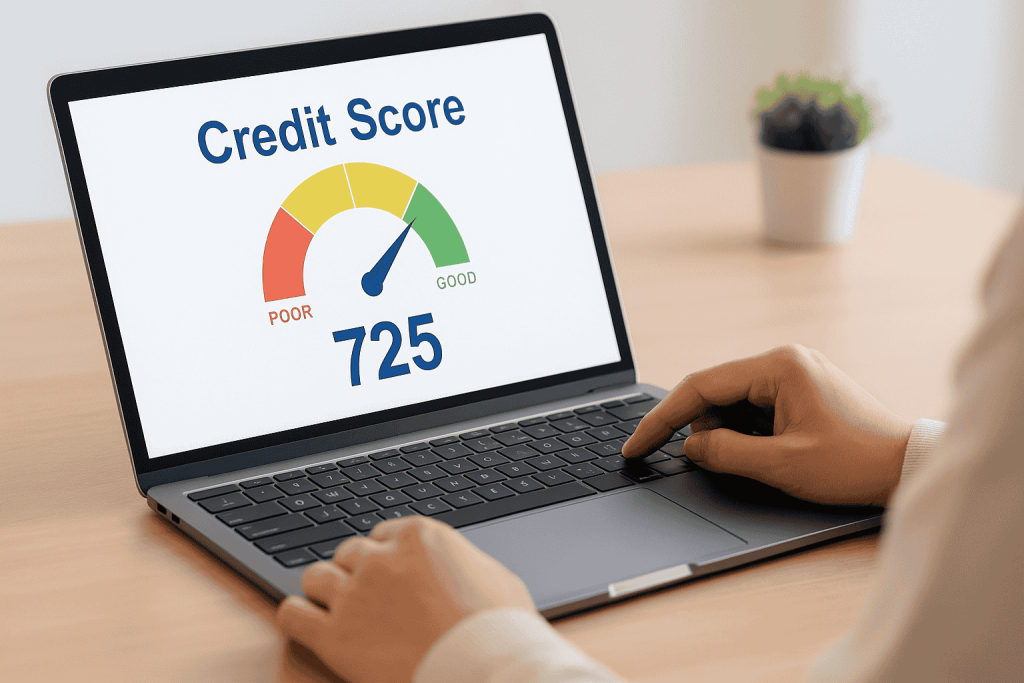
Your credit score report is your financial footprint. Start by requesting a free copy of your credit report from any of Australia’s major credit reporting agencies — Equifax, Experian, or illion. Review it carefully for:
Outdated or incorrect listings
Paid debts that still appear as outstanding
Errors in personal information or accounts
If you find mistakes, contact the credit provider or reporting agency to correct them. Even a small correction can boost your score and make a big difference when applying for a loan.
For detailed guidance, visit the Australian Financial Security Authority (AFSA) website for consumer rights regarding credit information.
2. Choose the Right Type of Lender
Major banks have strict lending criteria and may not approve borrowers with irregular income or past defaults. However, non-bank lenders and specialist mortgage managers are often more flexible.
These lenders may consider:
Bank statements instead of full tax returns
BAS statements or accountant letters
Lower deposit requirements (with slightly higher interest rates)
A strong recent repayment history as proof of reliability
Working with an experienced mortgage broker can also help match you with lenders who regularly assist self-employed borrowers with credit challenges.
3. Strengthen Your Financial Position
Before applying, it’s important to demonstrate financial recovery. Lenders assess your current stability, not just your history. You can strengthen your profile by:
Paying down existing debts and credit cards
Reducing your loan-to-value ratio (LVR) by saving a larger deposit
Avoiding new credit applications before your loan
Showing consistent income across several months of bank statements
Some lenders even offer “second-chance” or “credit repair” home loans that allow you to refinance to a better rate once your financial track record improves.
4. Prepare Strong Documentation

One of the biggest hurdles for self-employed borrowers is paperwork. The more complete and transparent your documentation, the more confidence a lender will have in your application.
Typical documents include:
Two years of business financial statements
Latest ATO tax returns
6–12 months of bank statements
BAS statements or profit-and-loss summaries
If your tax returns don’t reflect your true business profitability due to legitimate deductions, consider providing an accountant’s letter to clarify income.
5. Consider a Low Doc or Alt Doc Loan
If you can’t provide traditional documentation, a Low Doc or Alt Doc home loan could be an option. These loans are designed for self-employed Australians who can verify income through alternative means, such as:
Business Activity Statements (BAS)
Accountants’ declarations
Bank statements showing regular business turnover
While these loans often come with higher rates or LVR limits, they offer accessibility to borrowers who may otherwise struggle to meet standard documentation requirements.
6.Consider Specialized Loan Products
Non-Conforming Loans: Designed for borrowers with poor credit or irregular income, these loans feature more flexible criteria but higher interest rates.
Low-Doc Loans: Tailored for self-employed applicants lacking full financials but who can demonstrate sufficient income through alternative documentation.
Guarantor Loans: Involving a family member or trusted person guaranteeing the loan to mitigate lender risk.
Tips for Getting Approved for a Self-Employed Home Loan with Bad Credit
Even with challenges, you can improve your approval chances by being proactive and transparent.
1. Explain Your Credit History
If your bad credit resulted from a one-off event — such as illness, divorce, or business disruption — prepare a brief explanation letter for the lender. A clear, honest account supported by evidence (like medical records or closure notices) can help mitigate concerns.
2. Work with a Specialist Mortgage Broker
Not all brokers are the same. A specialist in self-employed or bad credit lending can access lenders that most borrowers wouldn’t find directly. They can also structure your application for the best chance of success, ensuring your supporting documents present your situation clearly.
3. Don’t Overextend
Be realistic about how much you can borrow. Use online tools such as the RateBuster Home Loan Calculator to estimate repayments before applying. Borrowing within your means not only helps your approval odds but also ensures long-term financial comfort.
How Long Does It Take to Rebuild Credit?
Rebuilding your credit takes time — usually 12 to 24 months of consistent, positive behaviour. Pay all debts on time, avoid late payments, and maintain low credit card balances. Over time, your improved repayment record will signal financial stability to lenders.
If you already have a home loan and want to improve your rate, consider refinancing after one or two years of solid repayment history. Refinancing can lower your interest rate and reduce costs — further strengthening your financial position.
Final Thoughts: Turning Bad Credit into a Fresh Start
Having bad credit as a self-employed borrower doesn’t mean your homeownership dreams are over. It simply requires strategy, patience, and the right lending partner.
By repairing your credit, maintaining steady income, and working with lenders who understand self-employed clients, you can rebuild trust and qualify for a home loan that fits your goals.
Take the first step today — check your credit report, gather your documents, and explore flexible options with a reputable mortgage specialist. Your financial comeback can start now.
To see your options for a business owner home loan visit: