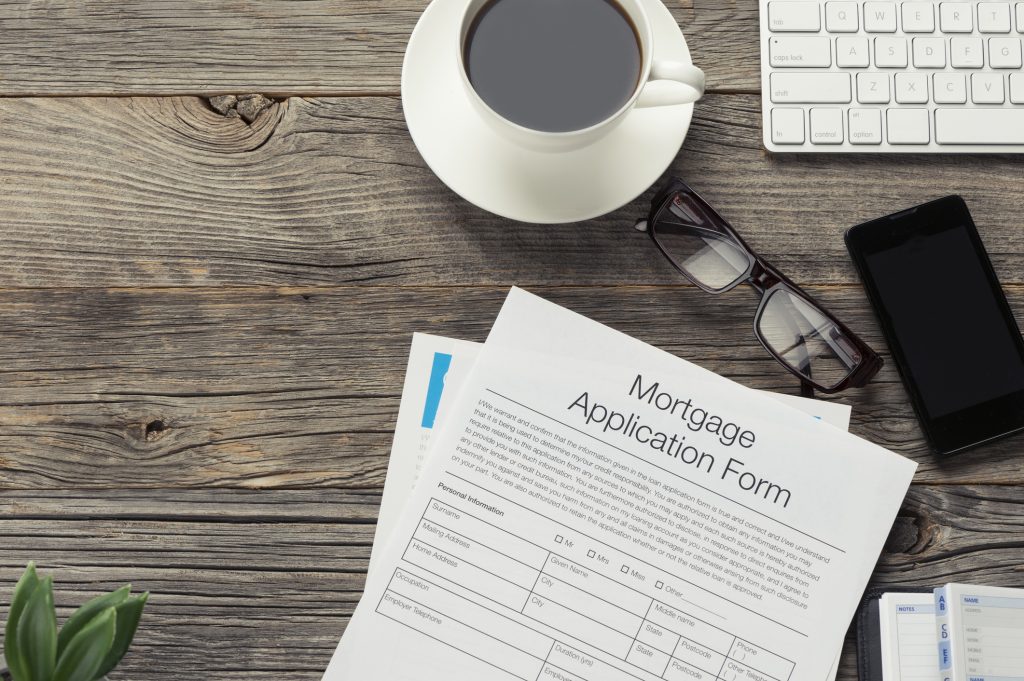

So you plan on purchasing a property. Congratulations! It's now time to work on your home loan application. When preparing to apply for a home loan, a bank or a mortgage lender will request several documents to evaluate your eligibility for a mortgage and determine the amount you can borrow
Borrowers need pay slips, bank statements, identification documents, and evidence of their debts and assets. To ensure a smooth home loan application process, it’s best to have a document checklist to have the necessary documents on hand when the lender asks for them.
Here’s a checklist of the documents you need to prepare for your home loan application:
1. Proof of Identity
Lender must obtain a valid ID to confirm your identity for a home loan application. This could include your passport, birth certificate, driver’s license, citizenship certificate, proof of age card and Medicare card.
2. Proof of Income and Employment
If you are an employee, you must provide two of your most recent payslips, including your gross and net income. Any regular overtime or allowances, and the length of your employment. If you are still on probation, you may need a letter from your employer confirming your employment status.
If you are self-employed, you will need to provide your income tax returns from the last two financial years, along with your most recent Assessment Notice. Some lenders may also require a registered accountant’s certified profit and loss statements.
If you are purchasing an investment property, you must provide either a copy of the lease agreement with your current tenant or a letter from your property manager confirming the estimated rental income.
3. Expense Breakdown and Proof of Savings
Where does your money go each month? Your lender will want to know your monthly expenses, from housing to groceries to entertainment. Reviewing your bank statements can help you get a clear picture of your spending habits.
You can also present details of extraordinary expenses like private school fees or child support payments.
4. Asset Records
These could include shareholding or other investment statements and market estimates for property or vehicles in your name. Bank statements showing the savings history, typically over the past three months from the application date, will be required as proof of assets.
Details of assets, including superannuation and any shares held, should also be declared. If you own other investment properties, you will need to provide copies of the rates notices for each property.
5. Proof of Liabilities
If you currently have a mortgage, you will need to provide at least three months’ worth of loan statements. In addition, you will need to provide the most recent statements for any car or personal loans and any credit cards or store cards you may have.
The home loan application process can be pretty lengthy and comes with its complexities. Getting your ducks in a row before you apply can help the lender better assess your ability to service the loan.
Taking the time to finish getting your paperwork before applying can speed up the process and make the home loan journey more seamless for you. Remember to also check with your lender for their specific application requirements.

SMSF Property Loan vs Direct Property Purchase: Which Structure Delivers Better After-Tax Returns?
Borrowing inside super offers a 15% tax rate and CGT discounts, but does it actually outperform a personally-held investment property once leverage limits, contribution caps, and liquidity risk are factored in? This analysis models the real numbers

Guarantor Home Loans Explained: How a Family Guarantee Can Replace Your Deposit
A family guarantee lets a relative’s equity stand in for your cash deposit, often wiping out LMI entirely. Here is exactly how the limited guarantee works, what is at risk, and when the guarantor gets released.

ANZ vs CBA vs NAB vs Westpac Home Loan Rates Compared for Owner-Occupiers
The Big 4 banks price their home loan rates within a narrow band, but their real differences lie in offset accounts, cashback deals, and approval speed. Here is which bank suits which borrower in 2026.

Borrowing Power Calculator: What Lenders Actually Measure and How to Improve Your Number
Most borrowers use a borrowing power calculator the wrong way. They plug in a few numbers, get a figure, and accept

Investment Property Loan Rates: What Investors Actually Pay and Why
Most property investors discover the rate gap the hard way: they walk into a lender comparison armed with owner-occupier rates they’ve seen advertised, then

Non-Bank Lenders in Australia: Rates, Approval Criteria, and Who They’re Actually For
Most borrowers comparing home loans focus on the rate column and stop there. That approach works well enough when every lender