


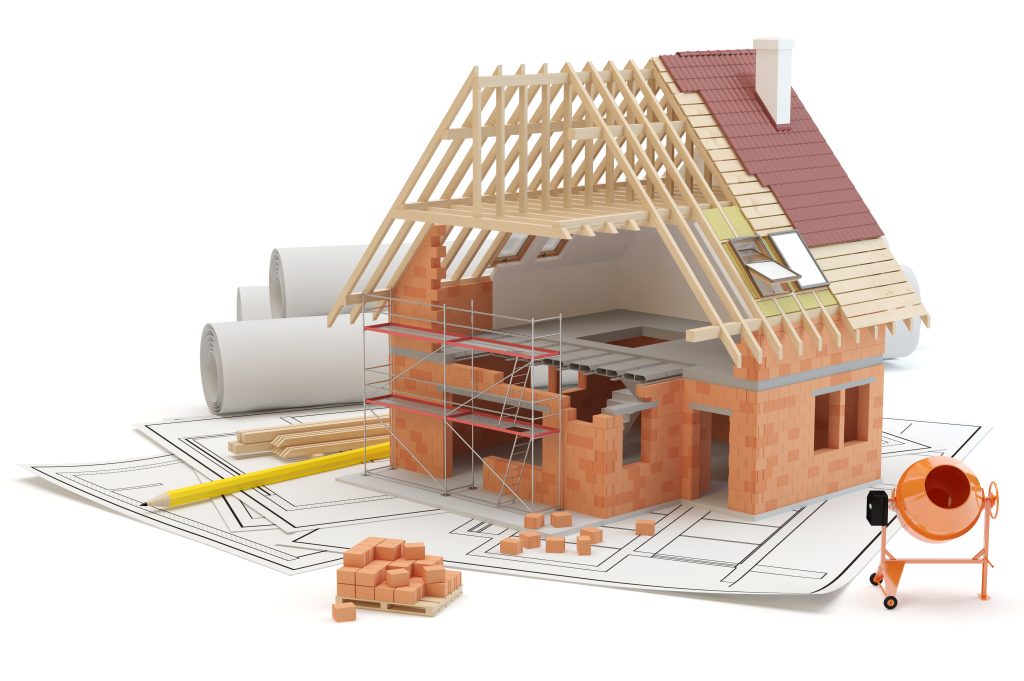
The Australian construction industry has faced significant cost increases in recent years, primarily driven by global supply chain disruptions. In 2023, the average cost to build a home surged by over $75,000 compared to 2022. This price hike is largely due to rising material costs and ongoing labor shortages.
Key Price Increases in Construction Materials
-
Timber prices jumped by 20–40%.
-
Reinforced steel saw a 40% increase.
-
Plastic piping became 26% more expensive.
These price increases are linked to global events like the Russia–Ukraine war, COVID-19 restrictions, and border closures. In addition, Australia’s labor shortage has further pushed construction costs up. According to the Housing Industry Association, labor constraints contributed to a 10% price hike in the September 2022 quarter.
Demand and Policy’s Impact on Costs
Several factors, including low interest rates in 2021 and early 2022 and government grants, led to a surge in demand for new builds and renovations. However, limited supply exacerbated cost pressures. This imbalance between supply and demand put further strain on construction costs.
To gain a deeper understanding of how interest rates affect construction finance, check out Ratebuster’s guide on rising interest rates for home loans.
Average Home Building Costs by State (April 2022)
Here’s a breakdown of the average building costs for homes across different states in Australia:
-
ACT: $440,000
-
NSW: $349,000
-
Victoria: $327,000
-
Queensland: $289,000
-
WA: $298,000
-
SA: $275,000
-
Tasmania: $285,000
-
NT: $365,000
How a Construction Loan Can Help
A construction loan is designed specifically to finance the building of a new home or major renovations. Unlike traditional home loans, construction loans release funds in stages—called progress payments—as construction milestones are met.
You only pay interest on the amount you’ve drawn from the loan. For instance, if you borrow $100,000 out of a $400,000 loan, you’ll only pay interest on the $100,000 until more funds are drawn. Once the construction is complete, repayments transition to principal and interest.
To learn more, check out Ratebuster’s construction loan basics guide.

Construction loans release funds in stages, aligning with key milestones in the building process. This structure helps lenders track progress and ensures the money goes where it’s needed.
Payment Stages in Construction Loans
Construction loans are released in phases, matching key milestones in the building process. This staged release allows the lender to track progress and ensures that funds are used efficiently.
Here’s how the payments work:
-
Deposit: The builder receives an initial deposit to begin construction.
-
Slab: Once the foundation slab is poured, the next payment is made.
-
Frame: After the outer frame or walls are constructed, the builder gets another payment.
-
Lock-up: When external doors and windows are installed, the next payment is issued.
-
Fit-out: Funds are released once internal fixtures and fittings are completed.
-
Completion: The final payment goes out when the build is finished.
Why the Staged Payment Structure Matters
This staged payment system ensures that funds are released only when necessary. By monitoring construction progress closely, lenders can reduce the financial risks for both themselves and the borrower.
The Importance of Professional Advice
Construction finance can be complex, and mistakes could be costly. That’s why seeking expert advice before committing to a construction loan is crucial. A qualified professional can help you navigate the process, avoid common pitfalls, and offer tailored advice based on your situation.
Without proper guidance, you may face unexpected challenges or financial difficulties down the road. Always consult with a specialist to make sure you make the right decisions for your construction project.
