



First Home Buyer Basics
Congratulations on taking the first steps towards purchasing your first property! It’s not an easy task, and there is much to learn from here. Before you begin saving and applying for home loans, let’s explore some essential first home buyer basics you should be aware of.
| Term | Definition |
| Cash rate | In essence, the Reserve Bank of Australia determines the interest rate applicable to unsecured overnight loans obtained by banks from one another. To put it simply, this refers to the interest expense that banks incur in borrowing funds. |
| Certificate of title | Title documentation is a legal document that serves to identify the ownership of a piece of land, as well as any mortgages or other interests that may exist on the property. It is an essential document that provides certainty and clarity for property ownership and transactions. |
| Construction loan | A construction loan is a type of financing that is specifically intended for the purpose of building or renovating property. Unlike a traditional mortgage, this type of loan releases the funds to the borrower in increments throughout the various stages of construction. |
| Contract of sale | Contract for the sale of the property between the seller and the buyer. |
| Conveyancer | A licensed professional who specializes in managing the legal aspects of transferring ownership from a seller to a buyer and provides support to both parties during the entire sales process. |
| Comparison rate | A tool that can help you determine the “true cost” of a loan, taking into account both the interest rate and potential fees associated with a $150,000 secured loan over a 25-year term. |
| Cooling off period | A duration during which you can withdraw your offer on a property without incurring any penalty or expense. |
| Fixed rate | An interest rate that is locked in for a set period of time. |
| Guarantor | A guarantor is a third party who provides security for a home loan, usually by leveraging equity in their own property. This security can cover the entire loan or just a portion, such as the deposit. By acting as a support, a guarantor can help someone else, often a family member, to secure the loan. |
| Interest-only | If you make payments solely towards the interest component of a mortgage for a specified period of time. |
| Investor | If an individual intends to lease out the property, they acquire for investment objectives. |
| Lenders mortgage insurance (LMI) | If the loan-to-value ratio (LVR) of the borrower exceeds 80 per cent, they are required to pay a lender’s insurance. |
| Loan-to-value ratio (LVR) | The formula represents the ratio of the borrowed amount to the value of the property, expressed as a percentage. |
| Mortgage broker | A professional in-home loan who serves as a mediator and intermediary between the borrower and a lending institution. |
| Offset account | When you have a mortgage, you can have a transaction or savings account connected to it, and any funds you deposit into this account will be used to “offset” your loan balance. Essentially, the more money you deposit into this account, the less you’ll need to pay in mortgage repayments. |
| Owner-occupier | When an individual plans to reside in the property they buy. |
| Principal and interest | Paying both the principal and interest of your home loan is included in your repayments. |
| Redraw facility | A feature of a home loan that enables you to access the equity you’ve paid into your mortgage for various purposes, including but not limited to home improvements or vacation expenses. |
| Settlement period | During the property settlement process, there is usually a period of time between finalizing the purchase and exchanging contracts. This stage can last anywhere from 30 to 90 days, depending on factors such as the borrower, buyer, lenders involved, and the payment process. |
| Stamp duty | Stamp duty, also known as transfer duty, is a fee imposed by your state or territory government upon the acquisition of a property. |
| Variable rate | A type of interest rate that can fluctuate based on market conditions, which are in turn influenced by the Reserve Bank of Australia’s cash rate. |
How do I choose my first property?

To select your initial property, you need to undertake four critical actions: selecting your locality, determining the type of property, examining the area, and inspecting the property. Let’s delve deeper into these steps.
- Choose your suburb.
To begin with, it is crucial to determine your desired location for the property purchase. Whether you prefer staying in the same vicinity or moving to another state, there are useful resources available that can simplify the selection process for your ideal suburb. Domain’s suburb profile tool or RealEstate.com.au’s Neighbourhoods tool can aid prospective buyers in obtaining information about a specific suburb. This may include details on the demographic makeup of the residents, market trends to assess the property’s value, and nearby schools. - Choose your property type.
Various types of properties are available for selection, such as houses, apartments, units, townhouses, villas, land, acreage, rural areas, blocks of units, and retirement properties. Although you may already be aware of this, each property type has its own advantages and disadvantages. For instance, apartments may be more affordable than homes, but they may have limited space and annoying Strata limitations. Similarly, if you are interested in a new build, you may have to apply for a building loan instead of a home loan. - Look around the area.
If you’ve discovered the perfect suburb and are considering a few properties, it’s essential to assess the surrounding area before getting your hopes up. Check the property’s proximity to public transport and your workplace if you plan to live there. Research if other homes on the same street or nearby have recently sold and for how much, as well as how long they were on the market. Investigate if property prices in the area are increasing or decreasing. Also, see if there are any nearby community spaces, such as parks or beaches, and what the community is like. Finally, consider what schools are nearby.
-
Professional inspections
Do you believe you have discovered a home that suits your preferences? Keep in mind that just because the present proprietor has had a professional inspection conducted, it doesn’t mean you should forego having one yourself. Reach out to an impartial specialist to inspect the property you’re considering (one who hasn’t been recommended by the real estate agent). They will provide you with a practical evaluation of any current issues with the property. While minor concerns may be economical and simple to resolve, you’ll need to assess whether significant flaws are worth the extra cost on top of the purchase price.
RATEBUSTER TIP: Ensure that you obtain a pre-approval for a home loan before embarking on your first property shopping venture. This will give you an idea of the amount that you can borrow, enabling you to search for properties within your realistic price range.
-
Buyers’ agents
In case you feel like the information presented above is too much to handle, you might want to consider contacting a buyers’ agent. These are certified experts who represent buyers in finding, assessing, and bargaining for real estate purchases. By hiring a buyers’ agent, you can save time and receive assistance with navigating the purchasing process, particularly the more complicated parts like succeeding in auctions. You may also be granted access to properties that are not listed on the market.
How to get approved for a home loan.
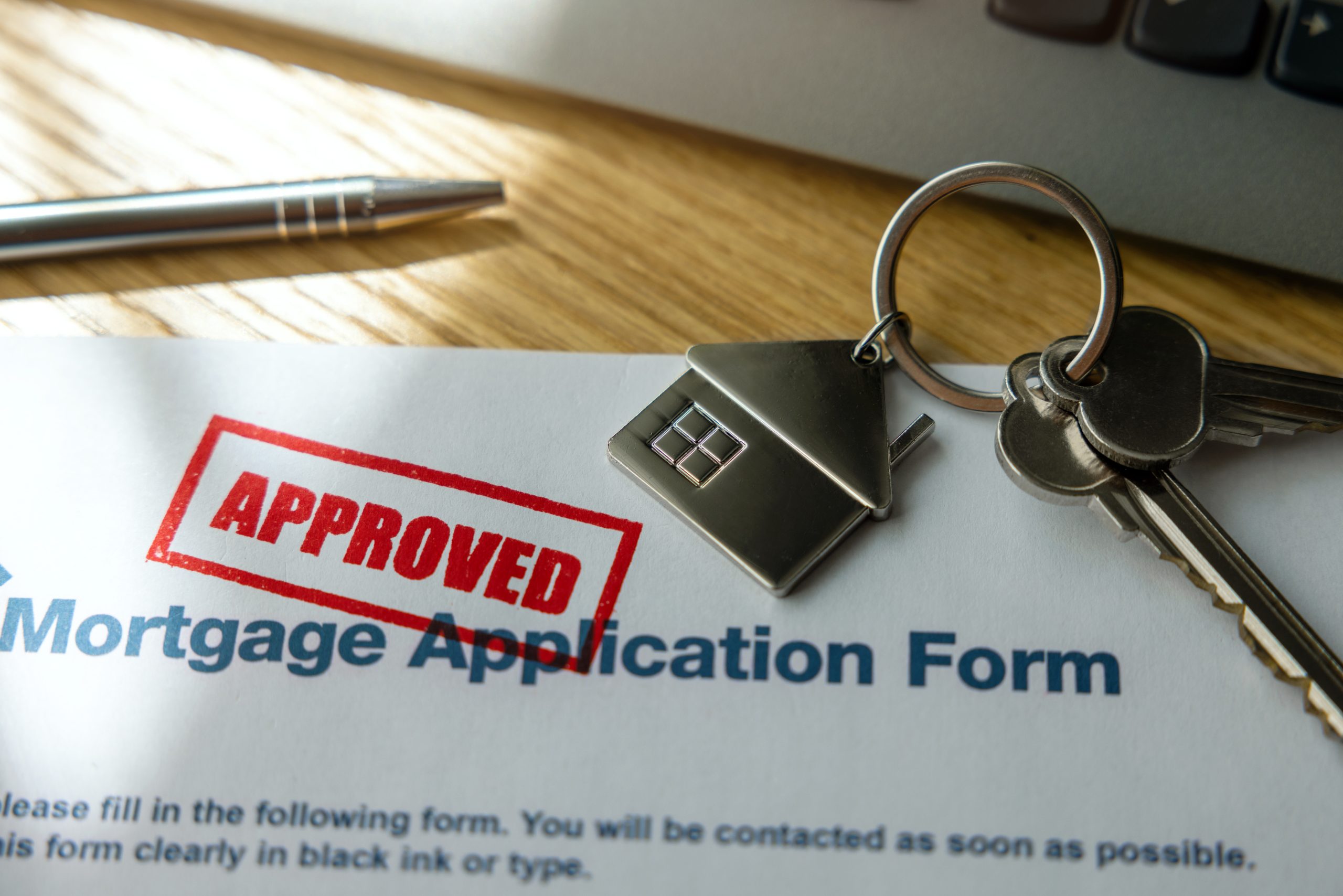
To embark on a search for a new home loan, it’s highly recommended to conduct research and compare your options. Fortunately, Ratebuster provides a variety of helpful tools to aid you in your first home loan comparison journey.
For instance, you can take advantage of our easy-to-use comparison table that enables you to juxtapose our selection of top-tier, low-rate loans based on their interest rates, total fees, and available features. This can facilitate your quest to pinpoint the most suitable first home loan for your financial circumstances.
Moreover, our mortgage repayment calculator is a useful resource that can aid you in your first home loan comparison by evaluating how the potential loan repayments may fit within your budget, thus helping you to narrow down your home loan short-list.
In case you require some guidance or advice, our accredited Finance Managers are available to assist you in your first home loan comparison journey.
How do I choose the right home loan?

Choosing the Right Home Loan for Your Needs
Finding a home loan that matches your financial situation and goals can feel overwhelming. With so many options available, many borrowers default to their regular bank, assuming the application process will be easier. However, skipping the comparison stage could mean missing out on better deals—such as lower rates, fewer fees, and more flexible features.
Understanding Borrower Types
There are two main types of borrowers:
-
Owner-occupiers, who live in the property
-
Investors, who purchase property to rent out
Your borrower type affects your loan terms in several ways:
-
Interest rates: Owner-occupiers usually receive lower rates.
-
Eligibility: Investors may need to provide more detailed financial documentation.
-
Repayment structure: Investors often choose interest-only repayments, which can reduce short-term costs and offer tax advantages.
-
Tax benefits: Investors may qualify for deductions like negative gearing, which aren’t available to owner-occupiers.
👉 RATEBUSTER TIP: First-time buyers sometimes consider purchasing an investment property first and using rental income to help repay the loan. Be aware—this could affect your eligibility for first-home buyer grants.
Comparing Interest Rates
Interest rates play a major role in determining your total loan cost. Lower rates mean lower repayments, but not all low-rate loans are created equal.
Some lenders offer introductory or “honeymoon” rates to attract new customers. These rates often revert to a higher variable rate after a set period. Always check the ongoing rate and whether it’s fixed, variable, or split.
Choosing Your Rate Type
When selecting a loan, decide whether you prefer a fixed or variable interest rate:
-
Variable rates change with market conditions, such as the Reserve Bank’s cash rate. They offer flexibility but can lead to higher repayments if rates rise.
-
Fixed rates lock in your repayment amount for a set term, usually one to five years.
-
Split loans combine both fixed and variable components, offering a balance between stability and flexibility.
Understanding Mortgage Fees
Loan costs aren’t limited to interest rates. Various fees can significantly affect your total expenses:
-
Application fees
-
Valuation and settlement fees
-
Package fees
-
Government charges
-
Building and pest inspection costs
A loan with a low interest rate might still be expensive if it includes high annual fees. Always factor in both upfront and ongoing costs when comparing options.
👉 RATEBUSTER TIP: Arrange your own building and pest inspection. Don’t rely on reports from sellers or other buyers.
Additional Property Costs
Beyond the loan itself, buying a home involves other expenses:
-
Building and pest inspections
-
Legal fees
-
Stamp duty and other government charges
-
Lenders mortgage insurance (if your deposit is under 20%)
-
Home and contents insurance
First-time buyers may qualify for stamp duty concessions, depending on state or territory rules. Visit your local Government Revenue website for details.
Key Loan Features to Consider
Some loan features can help you save money or manage repayments more effectively:
-
Offset account: Links your savings to your loan balance, reducing interest charges.
-
Extra repayments: Allows you to pay more than the minimum without penalties, helping you pay off your loan faster.
-
Redraw facility: Lets you access any extra repayments you’ve made, offering flexibility if your financial needs change.
-
Split rates: Ideal for borrowers who want to combine fixed and variable repayments.
How to get approved for a home loan?

Meeting Home Loan Eligibility Requirements
Before lenders approve a home loan, they assess your financial profile to reduce the risk of default. Most applicants must meet the following basic criteria:
-
Be at least 18 years old
-
Hold Australian residency
-
Have a stable income—preferably full-time employment for at least 12 months
-
Meet the lender’s minimum income threshold
-
Maintain a good to excellent credit score
Self-employed applicants may need to explore low doc loans or work with a mortgage broker for tailored support.
Streamlining Your Application
While applying for a home loan used to be time-consuming, online platforms have made the process faster and more accessible. If you’re preparing to apply, consider using an online application to save time and reduce paperwork.
Tips to Boost Your Approval Chances
To improve your likelihood of approval, focus on strengthening your financial position:
-
Clear outstanding debts: Pay off credit cards and HECS/HELP balances to enhance your credit profile.
-
Cut back on spending: Lenders review your bank statements closely. Frequent purchases like UberEats or Afterpay transactions may raise concerns. Reduce discretionary spending at least three months before applying.
-
Limit loan applications: Multiple applications can lower your credit score. A strong score not only improves approval chances but may also secure a better interest rate.
Understanding the Home Loan Timeline
Applying for a home loan involves several steps—similar to the property buying process. You’ll need to gather documents, reduce debts, compare options, and wait for pre-approval. This stage can take a few days, depending on the lender.
With proper preparation, the process can move faster than expected. Online applications have further streamlined the experience, allowing many borrowers to complete key steps more efficiently.
Estimated Timeline for Loan Approval
Here’s a general breakdown of the home loan process:
-
Pre-approval: 1–5 business days
-
Formal approval: After submitting all documents, usually within 1–2 weeks
-
Settlement: Typically occurs 4–6 weeks after approval, depending on the property and lender

How to win at an auction
Once you have secured pre-approval from your preferred lender and identified a property that you are eager to acquire, the next step is to excel at the auction, which can be either enjoyable or arduous, depending on who you ask.

- Do your research.
To maximize your chances of success at an auction, it’s crucial to conduct thorough research beforehand. This entails understanding the prices at which comparable properties in the same neighbourhood, or even on the same block, have sold. To accomplish this, you can visit online platforms such as Domain or Realestate.com.au and examine prices and auction clearance rates in the vicinity. By doing so, you will not only be better equipped to handle the possibility of the property selling above reserve, but you may also be able to negotiate a more favourable price in the event of post-auction discussions. - Check out other auctions
First-time buyers often feel anxious about auctions, but the most effective way to alleviate their concerns is to attend a few auctions beforehand. They can browse the internet to find out about upcoming auctions in their vicinity and visit them to become more familiar with the auction process.During the auctions, it’s essential to observe the bidding behaviour of various buyers and take note of when they place their bids. Additionally, paying attention to the auctioneer’s speaking style is important. - Plan your auction strategy
Before the big day of an auction, it may be worthwhile to decide on a strategy as there are several approaches you could take. For instance, some buyers prefer to stay calm and collected, waiting until the last minute to place their bid. This enables them to observe how other buyers are bidding and avoid the rush in the first half of the auction, but success with this approach also depends on a bit of luck.Alternatively, you may opt to take control early on in the auction by bidding at your own pace or using unconventional increments to distract other bidders. Watching a few auctions before attempting to win one can help you determine which approach suits you best. - Head over heart
It’s important to remember that auctions are designed to elicit an emotional response. They can be high-pressure situations, so it’s crucial to remain composed and avoid bidding based on emotions. This may require you to disregard your competitive nature and refrain from engaging in a bidding war for a property that is beyond your means.
To prioritize rational decision-making over emotional impulses, a helpful strategy is to establish two auction budgets: an ideal spending limit and a maximum spending limit. Jot these figures down and keep them private. Start bidding at your ideal limit, and if the auction becomes intense, remind yourself of your maximum budget and bid responsibly.
Common mistakes made by first home buyers.

Prior to applying for your initial home loan or making an offer on a property, it is imperative to bear in mind a few key factors. Below are some of the most common errors made by first-time home buyers and tips on avoiding them:
- Overlooking additional costs: The cost of getting a mortgage entail more than just the deposit. You must also take into account potential stamp duty costs, solicitor and conveyancing fees, home inspections, lender’s mortgage insurance, and insurance policies.
- Undertaking excessive debt: If your home loan repayments surpass 30% of your income, you are typically considered to be in “mortgage stress.” Try to avoid taking on too much debt because you never know when your circumstances may change, or interest rates may rise.
- Purchasing property in pricey suburbs: The property ladder is intended to be climbed. If purchasing property in the most expensive suburb for your first property will put you under considerable financial pressure, try to avoid it. Consider exploring “bridesmaids” suburbs first, which are up-and-coming suburbs adjacent to your dream location.
- Failing to explore the area: You must consider the distance to public transportation, the proximity to your workplace, the property values of neighbouring houses and apartments, whether they are rising or falling, and whether the area is near good schools or green spaces if you have or intend to start a family. While you may not be able to satisfy every criterion at first, you should aim to fulfil at least a few.
- Allowing emotions to influence the decision: Even if you adore the property, you do not want your emotions to drive the sale. First-time buyers must maintain a level head throughout the entire home buying process. If an agent or the owner senses otherwise, they may have more negotiating power in the sale.
- Receiving the wrong advice: This may come from family members, current family advisors, solicitors, or accountants. Choose the advice you follow carefully and consider leaning on experts such as buyers’ agents or real estate agents before selecting a property.
RATEBUSTER TIP: It is recommended that you conduct your own research and seek advice from your own experts when buying property. Keep in mind that each buyer’s purchasing process is unique, and the personal experiences of others may not necessarily apply to your situation.
All about Lender’s Mortgage Insurance

It is common for first-time homebuyers to be surprised by the additional costs associated with a home loan beyond the deposit. These expenses can include stamp duty, legal fees, insurance, and lenders mortgage insurance (LMI). LMI is a type of insurance paid by the borrower to the lender when the borrower does not have a deposit of at least 20% of the property’s value. This is because having a smaller deposit is considered risky, and the lender requires protection against the possibility of default.
If the loan-to-value ratio (LVR) is greater than 80%, meaning the home loan is more than 80% of the property’s value, then the borrower is usually required to pay for LMI. The lender arranges the insurance, and the borrower pays the premium.
For example, a first-time homebuyer with a $50,000 deposit and approval for a $500,000 30-year owner-occupier home loan would have an LVR of 90%, making them eligible to pay LMI. The upfront LMI premium, including GST, would be $8,679.89 according to the Genworth LMI Calculator.
While some lenders allow borrowers to add the LMI premium to their mortgage, this may result in higher interest charges over the life of the loan due to the increased principal. To avoid paying LMI, it is best to save up a deposit of at least 20% to achieve an 80% LVR. Otherwise, budgeting for the LMI cost and higher interest charges may be necessary.
How do I pay off my home loan early?

After securing a home loan and acquiring your first property, the next question is what comes next?
Although mortgage terms typically span 25-30 years, it’s common to desire early repayment to avoid long-term debt. Creating a strategy to pay off your mortgage faster may be a wise decision at this point.
Here are some prevalent methods that homeowners employ to achieve an early mortgage payoff:
-
Make extra repayments.
Are you permitted to make additional payments on your home loan without incurring any fees? By doing so, you can gradually reduce your total balance and shorten the duration of your loan. Whether you choose to make a lump sum payment or regular extra payments, this could be a simple and effective approach to pay off your mortgage quicker than the specified loan term.
-
Avoid interest-only.
Opting for interest-only payments may seem attractive because of the reduced repayment amounts, but it does not contribute towards reducing your principal balance. To achieve early mortgage payoff, it is advisable to adhere to principal and interest repayments.
-
Pay down your other debts.
Currently, interest rates may be low, but it’s uncertain when they will rise again. It’s crucial to address any other outstanding debts like credit card bills or a car loan promptly. By doing so, you can allocate more of your budget towards your mortgage when interest rates increase and continue to accelerate your loan repayments. Since we cannot predict precisely when interest rates will rise, taking pre-emptive action is a smart financial decision.
RATEBUSTER TIP: One way to keep your mortgage payments low is to take advantage of features like an offset account or redraw facility. By placing any extra savings into your offset account and making additional repayments, you can reduce your ongoing mortgage payments. Additionally, a redraw facility offers the added benefit of allowing you to access your extra repayments when necessary.
First Home Buyer FAQs
How much money can I borrow?
The sum of money that you are eligible to borrow is subject to various personal financial factors, such as your income, expenses, authentic savings, and the amount of deposit saved. Utilizing a Borrowing Power Calculator can provide an estimate of your borrowing capacity.
What am I eligible for as a first home buyer?
The eligibility for a home loan is determined by various factors including the financial circumstances of the loan applicants, the amount of deposit saved, the intended use of the property (renting or living), and the type of loan preferred.
Is stamp duty waived for first home buyers?
In certain states and territories, stamp duty exemptions or concessions may be available, depending on the value of the purchased property or land. The rules and regulations regarding these exemptions may vary from one region to another. To estimate the stamp duty payable for your property acquisition, using a Stamp Duty Calculator can be helpful.
How much deposit do first home buyers need?
The sum of money you need to save as a deposit is contingent on the price of the property you intend to buy. Professionals suggest setting aside a minimum of 20 percent of the property’s value to steer clear of expensive lender’s mortgage insurance. However, a deposit ranging from 5 to 10 percent is also feasible, although it may entail a higher interest rate.
How often do I make home loan repayments?
The frequency of your mortgage repayments, whether weekly, fortnightly, or monthly, is subject to your individual preferences and financial situation.
Do I need a solicitor or a conveyancer?
In general, it is advisable to engage the services of a solicitor or conveyancer during the property purchasing process, as it can facilitate the settlement and legal aspects of the transaction.
Can I get a first home buyers grant if my partner is not a first home buyer?
Regrettably, in case any of the applicants for a home loan is not a first home buyer, you might be ineligible for First Homeowner Grants as well as other forms of government aid. It’s advisable to consult your state or territories’ Department of Revenue to gather more information.
Which is the best loan for me?
There isn’t a single optimal home loan that suits all Australians. To discover the most suitable home loan alternative, it’s necessary to conduct thorough research and compare various options available in the market. Comparison websites like ratebuster.com.au can provide valuable assistance in this process.
Am I eligible for the first homeowner grant?
The eligibility criteria and availability of First Homeowner Grants vary among different states and territories. To obtain further details, it is recommended to visit the Government Revenue website of your respective state or territory.
How do you calculate interest repayments?
If you’re looking to estimate the interest you’ll pay on a mortgage, a mortgage calculator can be a helpful tool. For more detailed information, you may want to try Ratebuster’s Mortgage Repayment Calculator.
How long does pre-approval last for?
The duration of pre-approval may vary between three to six months, depending on factors such as the lender, the borrower’s financial situation, and the state of the property market.
