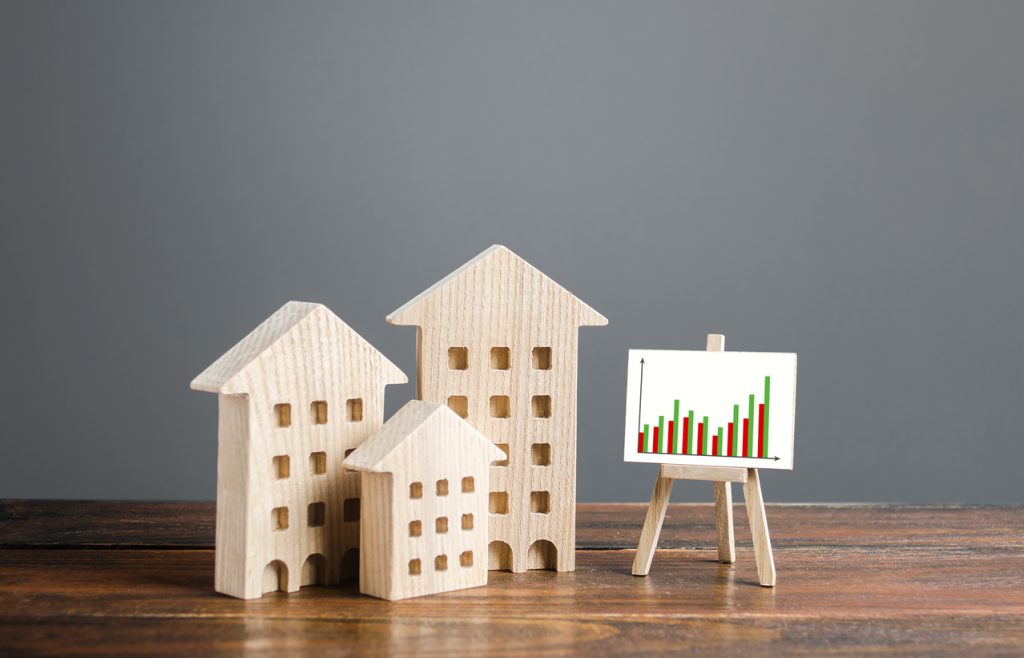


As the upward trajectory of house prices persists, several factors affect property value and the price it can command during a sale. To gain a comprehensive understanding of property value, various valuation methods ranging from basic assessments utilising local sales and market reports to more detailed evaluations conducted by agent appraisals and bank valuations, provide valuable insights into the factors that affect your property’s worth.
Factors That Can Affect Your Property's Market Value
Location
Location significantly influences the value of a property. The desirability of a site plays a crucial role in determining property prices. For instance, a home in a popular coastal area, close to amenities and easy access to public transport, is generally valued higher than a property on the outskirts of town with limited resources.
Suburb’s Track Record
Your suburb’s market performance, crime, and unemployment rates can impact property values. High crime or unemployment rates in a suburb usually result in lower property prices and less potential for future value appreciation.
School Zones
The catchment area of a top local school can significantly influence property prices. Living within the catchment area of a sought-after school can increase the value of a property as it appeals to parents who prioritize education for their children.
Access to Public Transport
Bus, tram, and train station proximity can affect a property’s value. Properties closer to public transport hubs tend to be more desirable and command higher prices.
Demographics
The population and demographics of the suburb can impact property values. Different property types may be in higher demand depending on the dominant demographic. For example, family-dominated suburban areas may have a higher demand for three and four-bedroom homes, while CBD areas may attract more interest in one and two-bedroom apartments.
Size and Facilities
The size of the property, including the number of bedrooms, bathrooms, and additional features such as garages, pools, backyards, and amenities like air conditioning, patios, or balconies, can affect its value.
Street Appeal
The property’s overall appearance, exterior condition, and landscaping can influence its value. Homes with strong curb appeal tend to attract higher offers from potential buyers.
Potential for Renovations
Properties with the potential for renovations and improvements, such as adding extra rooms or upgrading features, can be more attractive to buyers and investors. However, poorly executed renovations or unappealing modifications can harm the property’s value.
Potential for Investment
Properties with the potential for future value appreciation, either through renovations or being in an area expected to experience growth or high rental demand, can be attractive to investors.
Energy Efficiency
Properties with energy-efficient features like solar panels, energy-efficient lighting, appliances, and high-quality insulation can have higher value due to reduced energy costs for the occupants.
Interest Rates
Fluctuations in interest rates can impact property values. Lower interest rates make homeownership more affordable and increase demand, potentially raising prices. Conversely, higher interest rates can make mortgages less affordable, decreasing demand and potentially lowering property values.
The Economy
Economic factors such as unemployment rates, wage levels, population growth, and overall economic conditions can influence property values. Changes in these factors can affect people’s ability to buy homes and impact the demand for properties.
Demand and Market Performance
The balance between supply and demand in the housing market can significantly affect property prices. High demand and limited supply can drive up prices, while an oversupply of properties and low demand can lead to price decreases.

Reasons to Refinance Your Home Loan
Refinancing your home loan can be a strategic move—especially in today’s shifting property market. With interest rates rising and property prices stabilising, many Australian

RBA Interest Rates: Cash Rate Increased by 0.25% to 3.85%
Homeowners have been on a knife edge and now the Reserve Bank’s cash rate increased. Australians will have more financial pain inflicted on them

Credit Checks for Your Home Loan
A credit check is an integral part of the loan approval process for most lenders. When assessing mortgage applicants, lenders can obtain the credit report

Proving Overseas Income for Australian Expat Loans
As an Australian expat living abroad, securing a loan back home often requires proving your overseas income. This process can be complex due to

Do I Need a Power of Attorney for an Expat Loan in Australia?
If you’re an expatriate looking to secure a home loan in Australia, you’re likely aware of the unique challenges that can arise. Navigating the

Lo Doc Home Loans Benefits and Consideration
In the ever-evolving landscape of real estate and mortgage financing, low doc home loans have emerged as a viable option for individuals who