Getting approved for a home loan when you’re self-employed is not as straightforward as it is for salaried employees. While lenders are becoming more flexible in assessing self-employed borrowers, understanding the documents required for a self-employed home loan can help streamline the process and increase your chances of approval. One of the most critical components is income proof, which serves as the foundation for your borrowing capacity.
In this article, we’ll explore the essential documents you’ll need to apply for a self-employed home loan, how to prove your income, and tips for a smoother application process.
Key Documents Required for a Self-Employed Home Loan
Securing a mortgage when self-employed involves more than just submitting your payslips. Lenders want to understand your business’s financial health and ensure you can make consistent loan repayments, even if your income isn’t as predictable as someone in a salaried job.
Here’s a breakdown of the key documents lenders typically require when assessing a self-employed home loan application.
1.Personal Identification Documents
Before diving into your business’s finances, lenders need to verify your identity. These documents will help them ensure you meet legal requirements.
Driver’s license or Passport
Medicare card or utility bills (for address verification)
Tip: Make sure that your ID documents are up to date, as this can delay processing if they aren’t valid.
2. Tax Returns and Financial Statements
As a self-employed borrower, the most important documents are your tax returns and financial statements. These provide a detailed snapshot of your income and business operations, which are crucial in assessing your ability to repay a loan.
Last two years’ tax returns (both personal and business)
Profit and loss statement for the last two years
Balance sheet (if applicable)
Business Activity Statements (BAS) for the last 6-12 months (if your business is registered for GST)
Most lenders will request two years of tax returns as this gives them a better understanding of your business’s stability and growth. If you’ve recently launched a business, some lenders may accept one year of financials, though this may limit the loan amount or require additional verification.
Bank Statements

Lenders want to ensure that your income is not only consistent but also that your business and personal finances are well managed. To assess this, lenders may ask for business and personal bank statements.
Six months of business bank statements showing income deposits and expenses
Six months of personal bank statements to assess how you manage your finances outside of your business
Bank statements give lenders insight into how well your business generates cash flow, and whether you’re consistently able to cover living and business expenses.
4. Income Proof for Self-Employed Borrowers
For self-employed applicants, providing accurate proof of income is one of the most critical aspects of the application. Since traditional pay slips aren’t an option, alternative income proof will be required.
BAS statements or GST (Goods and services Tax) returns are often used to show regular business income.
Invoices and contracts from clients to verify ongoing revenue streams
Letter from your accountant confirming your income and business viability
Most lenders will look at your gross income, so it’s essential to keep accurate records of all invoices and contracts, as these will serve as proof of your earnings.
5. Proof of Business Longevity
Lenders prefer working with established businesses, as they are seen as more stable and capable of generating reliable income. To demonstrate business stability, you may need to show:
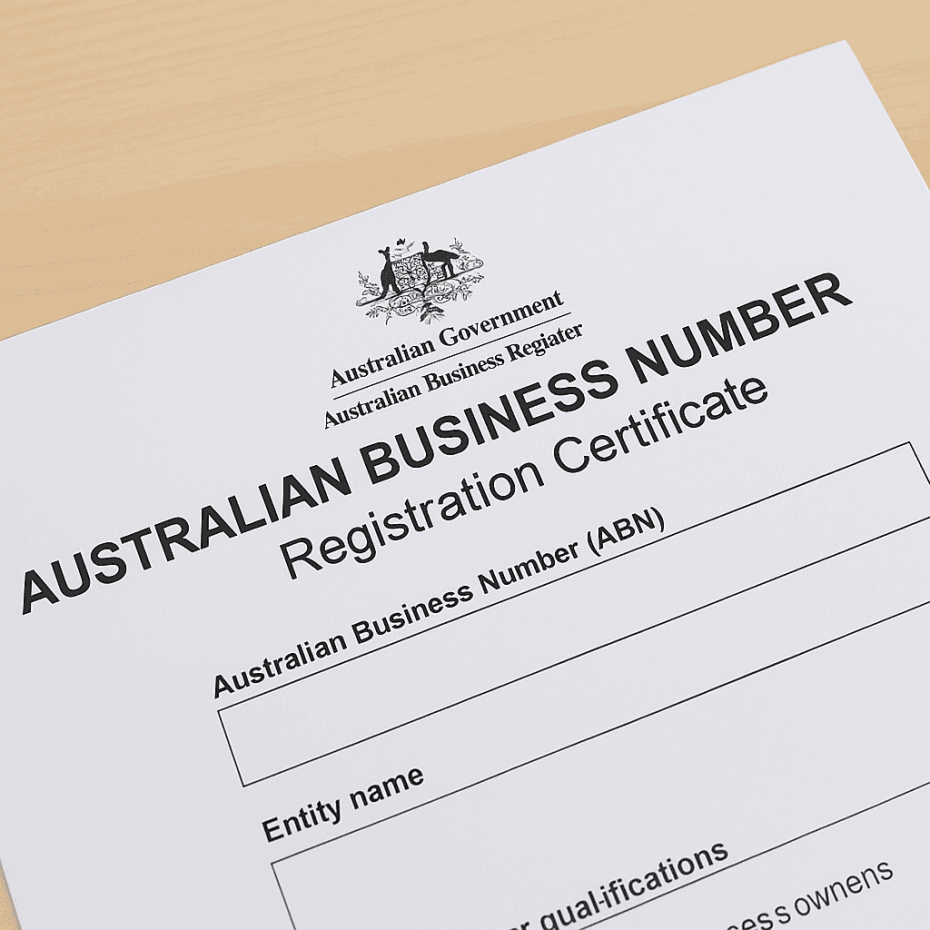
ABN (Australian Business Number)/ACN (Australian Company Number) registration details
Business registration documents (if applicable)
Evidence of business history (such as an online portfolio, active contracts, or repeat clients)
Lenders usually prefer self-employed applicants who have been in business for at least two years. However, some lenders will consider new businesses if there’s strong evidence of projected income and a well-managed business plan.
6. Additional Documents (If Applicable)
Depending on your situation, you may also be required to provide additional documentation, including:
Evidence of assets (e.g. property ownership, savings, investments)
Debt repayment records (e.g. car loans, credit cards)
Partnership agreements (if applicable)
Recent superannuation contributions (for retirement planning)
These documents provide further assurance to lenders that you are capable of handling debt and maintaining financial responsibility.
How to Prove Your Income When Self-Employed
As a self-employed individual, proving your income for a home loan can be more complex than for someone with a salaried position. Lenders want to see that you have a consistent income stream and a stable business model.
Here are a few ways you can prove your income effectively:
1. Business Activity Statements (BAS)
A common method for demonstrating income as a self-employed person is through your Business Activity Statement (BAS). BAS outlines your business’s income and GST activity over a specific period, usually quarterly or annually.
Lenders use BAS statements to verify your income because they show not only earnings but also your tax compliance, which is crucial in the lending process.
2. Profit and Loss (P&L) Statements
Lenders often ask for profit and loss (P&L) statements to better understand how much money your business makes after deducting expenses. The P&L shows your revenue, costs, and overall profit over a given period.
If you have an accountant, they can help you prepare these documents to ensure they’re accurate and professionally presented.
3. Accountant’s Letter
For those with a fluctuating income or irregular earnings, an accountant’s letter can serve as an official declaration of your income. This letter may also include details of your business’s cash flow and viability.
Having an accountant support your application with a certified letter can help give lenders the confidence they need in your ability to repay a mortgage.
Key Takeaways for Self-Employed Home Loan Applicants
Getting a home loan as a self-employed borrower requires providing clear financial documentation and proving your income stability. By preparing the right documents, such as tax returns, BAS statements, P&L reports, and business history, you can greatly improve your chances of securing a mortgage.
Additionally, working with a mortgage broker who understands the self-employed lending landscape can help you navigate the complexities of the application process and find the best loan product for your needs.
If you’re self-employed and ready to apply for a home loan, start by comparing lenders and their requirements. Visit RateBuster.com.au for the latest mortgage rates and expert advice tailored to your financial situation.