


The aim of The Borrowers Guide to Construction Loans is to help consumers comprehend the intricacies of the construction lending process and the particulars involved in constructing a home. Although the process can be perplexing and burdensome, having a fundamental understanding of it will enable you to be more equipped and better prepared.

Talk to Your Mortgage Broker Early
Getting a mortgage can feel overwhelming, but involving your Mortgage Broker from the start can make the process far smoother. Brokers are trained to guide you through each step and help you make informed decisions.
What Your Mortgage Broker Can Do for You
Your broker plays a vital role in helping you secure the right loan. Here’s how they support you:
-
Review your financial situation and lending needs
-
Collect all required documents for your application
-
Offer guidance throughout the process
-
Present loan options from banks and specialist lenders
-
Use software to match your needs with suitable products
-
Break down the costs involved in your application
-
Explain the details of each loan product clearly
-
Prepare and submit your application to the lender
-
Coordinate with your solicitor, agent, and accountant
-
Ensure settlement happens smoothly and on time
-
Submit progress payment claims when needed
-
Assist with future lending needs, including reviews or increases
By acting as your liaison, your broker helps reduce stress and improve your chances of approval.
Preparation: The Keys Before the Keys
Before you start searching for a home or investment property, take time to assess your financial readiness. Ask yourself:
-
What are the total costs involved?
-
Can I comfortably afford the repayments?
-
How much can I borrow based on my income and expenses?
-
What deposit will I need to secure the loan?
Answering these questions early helps you set realistic expectations and avoid surprises later.
How Much Can I Borrow?

Why You Should Engage Your Mortgage Broker Early
Connecting with your Mortgage Broker before you begin your property search is essential. The amount you can borrow depends on several factors, and your broker can help you navigate them with clarity and confidence.
Key Factors That Influence Borrowing Capacity
Income Assessment
Your income plays a major role in determining how much you can borrow. This includes your base salary, bonuses, allowances, and overtime. Be sure to disclose all income types to your broker, as lenders assess them differently. For example, some may count only 80% of your overtime, while others—especially for essential service workers—may consider 100%.
Financial Liabilities
Lenders will evaluate your existing debts, which may include:
-
Credit cards
-
Personal or car loans
-
HECS/HELP debt
-
Interest-free payment plans like Afterpay or Zip Pay
Even credit cards with zero balances must be disclosed, as they still affect your borrowing power.
Living Expenses
Lenders must ensure your loan won’t cause financial hardship. To do this, they review your spending habits by analysing your bank and credit card statements from the past 3–6 months. Working with your broker early gives you time to adjust your spending and present a stronger financial profile.
Understanding Your Deposit Requirements
The deposit you’ll need depends on your financial situation and the lender’s criteria. Most borrowers provide between 5% and 20% of the property’s value.
To prove you’re financially prepared, lenders often require evidence of consistent savings over 3–6 months. This shows you have the discipline to manage repayments.
Some lenders allow you to borrow up to 95% of the property’s value, meaning only a 5% deposit is needed. However, this usually triggers Lenders Mortgage Insurance (LMI). LMI protects the lender—not the borrower—in case of default and property loss. It doesn’t cover you if you lose your job or become ill.
To avoid paying LMI, aim to borrow less than 80% of the property’s value.
What are the costs involved in buying a property?

Can I Afford It?
Buying a home is a major financial commitment, and it’s essential to strike a balance between cutting back on discretionary spending and maintaining a lifestyle you can sustain. Your budget should feel manageable—not restrictive. When planning, always factor in the possibility of future interest rate increases.
Beyond the Purchase Price: Hidden Costs to Consider
The total cost of buying a property goes well beyond the listed price. Here are some common expenses you’ll need to account for:
Bank Fees
Lenders may charge fees for loan applications, property valuations, and other services. These costs vary depending on the lender.
Stamp Duty
Stamp duty is a government charge that can significantly impact your budget. The amount depends on your state or territory. Your Mortgage Broker can help you calculate this cost accurately.
Lenders Mortgage Insurance (LMI)
If your deposit is less than 20%, you’ll likely need to pay LMI. This insurance protects the lender—not the borrower—in case of default. Costs vary between lenders, and your broker can guide you through the details.
Government Fees
Expect to pay for mortgage registration, title transfers, and property searches. These are standard charges across most property transactions.
Legal Costs
A solicitor or conveyancer will review your Contract of Sale and ensure the property passes all necessary checks with local authorities.
Property Inspections
Hire professionals to inspect the property for structural issues, pest infestations, or other potential risks. This step helps you avoid costly surprises later.
Moving Expenses
Decide whether to move yourself or hire a removalist. Either way, budget for the cost of transporting your belongings.
Utility Setup
Setting up electricity, water, and internet may involve connection fees. Some providers charge in advance for the first month or two.
Why You Should Speak to Your Mortgage Broker First
Before you commit to buying, consult your Mortgage Broker. They’ll assess your borrowing power based on your income, expenses, savings, and credit history. Engaging your broker early helps you understand your financial limits and explore suitable loan options.
Types Of Home Loans

How Your Mortgage Broker Can Help
Your mortgage broker plays a key role in helping you find a home loan that suits your financial situation and long-term goals. With a wide range of loan types available, it’s important to understand the differences before making a decision.
Fixed Rate Home Loan
A fixed rate home loan locks in your interest rate for a set period—usually between one and five years. This gives you predictable repayments and makes budgeting easier. During the fixed term, your rate won’t change, offering stability regardless of market fluctuations.
However, fixed rate loans come with limitations. You may face restrictions on making extra repayments, using redraw facilities, or accessing offset accounts. If you sell your property during the fixed term, break costs could apply—and these fees can be substantial.
Your mortgage broker can help you weigh the pros and cons to determine if a fixed rate loan aligns with your needs.
Interest-Only Home Loan
With an interest-only loan, you pay only the interest for a set period—usually a few years. This option is popular for investment properties and is often part of a broader financial strategy recommended by an accountant or financial planner.
The main benefit is lower repayments, which frees up cash for other uses. However, the principal remains unpaid during this time. Once the interest-only period ends, your repayments will increase significantly, as you’ll begin paying off the principal.
It’s essential to plan ahead and understand how your repayments will change. Your broker can guide you through the implications and help you prepare.
Variable Rate Home Loan
A variable rate loan means your interest rate can change over time. These fluctuations may result from Reserve Bank decisions or adjustments made by your lender.
The biggest advantage is flexibility. You can make extra repayments, access redraw facilities, and use an offset account. There are no penalties if you decide to sell your property and move.
On the downside, your repayments may rise unexpectedly, which can be challenging if you’re on a tight budget. Your broker can help you assess whether this type of loan suits your financial comfort zone.
Split Home Loan
A split loan combines the benefits of fixed and variable rates. You can lock in a portion of your loan at a fixed rate while keeping the rest variable. This approach offers both stability and flexibility, making it a popular choice for first-time buyers and those seeking balance.
Buying The Land

Acquiring a piece of land is the initial step in constructing a house. There are various ways to accomplish this:
1. DIY Land and Construction
You may find a block of land that you like, make an offer on it, have it accepted and then need to go and find the builder of your choice to build on that block for you. This is a good option if you are looking for something highly customised or you are wanting to wait a bit before building.
2. House and Land Package
This is the process where you secure both the land and construction at the same time but through two separate contracts. Generally, there are a select number of builders and designs that are on offer in this scenario, and you can choose from them and make minor amendments.
Tip: If you intend to purchase the land and settle on it before finalizing plans for your house, it is advisable to obtain pre-approval for the construction loan. This will help avoid any unexpected issues with the lender when the time comes to begin building.
Construction Loans

What Is a Construction Loan?
A construction loan is a type of financing released in stages as your property is built. Instead of receiving the full loan upfront, funds are drawn down progressively. As construction advances, your monthly repayments increase until they reach the full amount once the build is complete.
This staged approach is especially helpful if you’re still paying rent or board elsewhere during the build. Most lenders offer interest-only repayments during construction, which switch to principal-and-interest repayments once the home is finished.
Eligibility Requirements
To qualify for a construction loan, you’ll need:
-
Council-approved building plans
-
A fixed-price building contract or a tender from a licensed builder
This process can be tricky. You may hesitate to sign a building contract before knowing your loan is approved, yet lenders often require a signed contract to assess your application. To resolve this, negotiate a finance clause—ideally at least three weeks—or provide a draft contract. Some banks may accept a tender, but changes between the tender and final contract often require reassessment.
Before drawing down on your loan, you must use your saved funds or available equity. If you plan to modify your building contract, speak with your Mortgage Broker first. Once construction is complete, the loan typically converts to a standard variable rate home loan.
Understanding Drawdowns and Progress Payments
Construction loans involve drawdowns—also known as progress payments—made to your builder as each stage of the project is completed. These payments follow a structured schedule outlined in your building contract.
How Progress Payments Work
Builders send you a progress invoice when a stage is finished. Your lender may also require you to sign a progress payment form. You’ll submit both documents to the lender, who will then review and approve the payment. Once approved, the funds are released from your loan account to the builder.
Most construction loans include around five drawdowns, though the exact number and stages depend on your contract. Common stages include:
-
Slab or base
-
Frame
-
Lock-up
-
Fixing
-
Completion


How do construction valuations work?
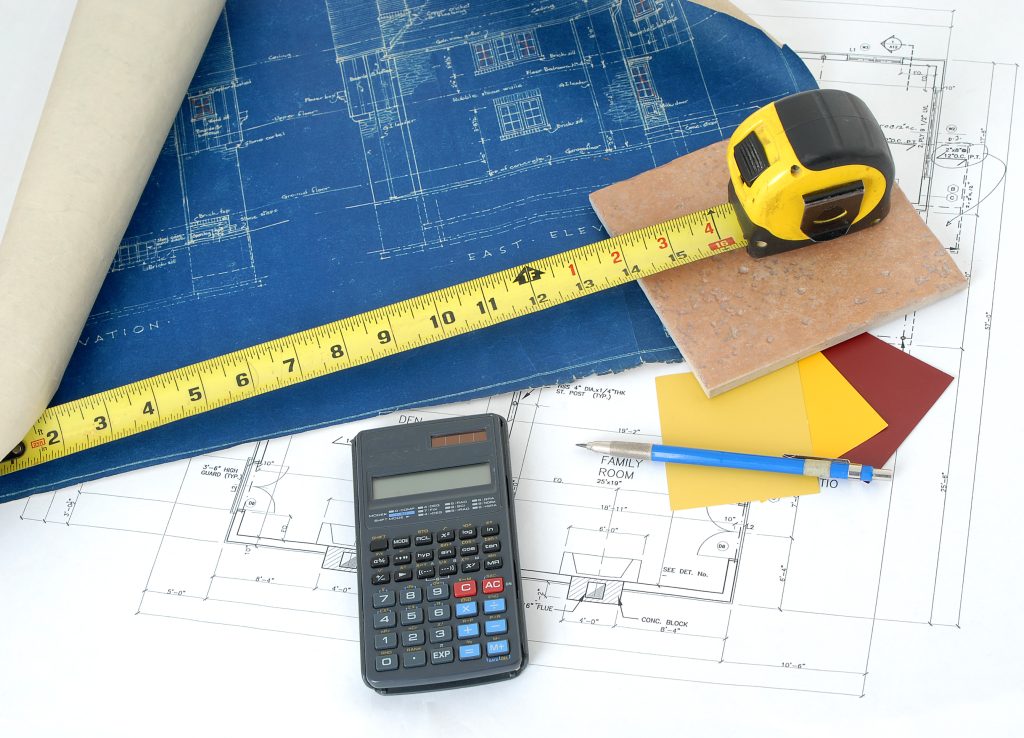
Typically, the bank will ask the valuer to evaluate the land value (either from the Contract of Sale or their own valuation if you already own the property), and the construction cost of the house based on the contract and specifications. They will then compare it to the value of other similar properties in the area.
The bank will consider the lower value between the cost of the land plus the value of the improvements and the valuation amount compared to other properties in the vicinity.
What additional documents do I need?
Apart from the usual documents related to income, expenses, and debts, you will be required to furnish the following:
- Contract For Building: This contract contains details about the building process, including the different stages involved, the payment schedule, estimated time frame for construction and the final cost.
- Building Plans: These are the specific drawings that depict the details of what is being constructed. They do not need to be approved by the council at this stage, but they are necessary to provide an overview to the valuer.
- Specifications: This document specifies the type of materials being used in the construction process, including the quality of the finishing and appliances.
- Quotes For Additional Work: It’s crucial to read the building contract thoroughly since some things may not be included, and you may have to request quotes for additional work. These works may typically include swimming pools, sheds, landscaping and retaining walls, driveways, and fencing.
What do you need to provide after approval?
After your loan has been approved and you have given your builder the go-ahead, they will begin the process of finalizing the plans and submitting them to the council for approval. Once this step is completed, you will be required to provide the following to the bank before they release funds for the construction:
- A signed contract that has been fully endorsed by both the builder and purchaser.
- Signed specifications that have been fully endorsed by both the builder and purchaser.
- Council approved plans
- Builders Risk Insurance
- Arrange insurance that covers the entire replacement value and make sure that your lender is listed as the Mortgagee.
Owner Builder
If you possess the skills and resources required to build your own home or manage the construction process, you may consider becoming an Owner Builder. Although this option offers the benefits of cost savings and customization, there are certain factors you must carefully consider before proceeding.
Level of Expertise: While you are not obligated to hold a builder’s license to become an Owner Builder, most lenders nowadays require you to have prior experience constructing a home before considering lending to you in an Owner Builder capacity.
Loan-to-Value Ratio: Lenders view Owner Builder loans as riskier and therefore may provide a lower loan-to-value ratio, typically around 60-65%. This means that you will require a larger amount of equity or cash to fund the project before the bank will consider lending to you.
Cashflow: Similar to a regular construction loan, the lender will only release the funds once a particular stage has been completed. They will generally send an inspector to assess the progress, and if satisfied, release the funds to you. The challenge with this process is that you must have the financial resources to cover expenses until the bank reimburses you. Therefore, having enough funds to complete the project is critical.
Consult with your mortgage broker to determine whether becoming an Owner Builder would be the best course of action for you.
Tools to assist you.
We have compiled a few useful checklists to help you have a smooth and hassle-free experience:
This will enable you to prepare for your initial meeting with your Mortgage Broker and ensure that you have all the necessary documents ready, preventing any delays.
- Budget Checklist: It is crucial to comprehend your spending habits and financial capacity. Your Mortgage Broker will discuss this with you, but this checklist will assist you in getting started.
- Settlement Day Preparation Checklist: When purchasing a home, there are numerous things to consider, and this checklist will help you ensure that there are no setbacks on settlement day.
