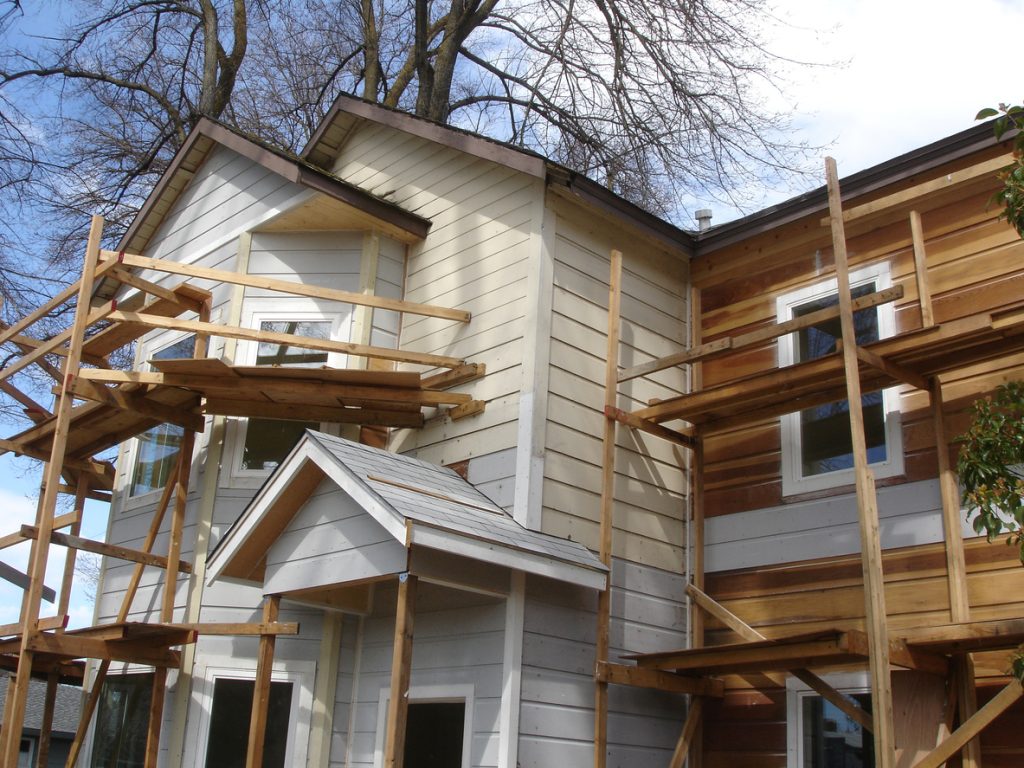


Buying a Fixer-Upper Home. Is it For You?

purchasing property that needs improvement and renovation

Purchasing a property is undeniably one of life’s significant milestones. However, when buying a “fixer-upper” home, a whole new level of complexity is added to the equation. The anticipation of witnessing the outcome of your renovation work is undoubtedly exhilarating. Still, it’s essential to acknowledge that buying a property needing repairs comes with its fair share of challenges.

What is a Fixer-Upper?

A fixer-upper refers to a property that requires varying degrees of improvement and renovation. When a listing mentions a property’s “potential,” it often implies that significant work is needed. It’s essentially a term used to describe homes needing enhancements, ranging from minor cosmetic updates to extensive structural repairs. 

Advantages of Buying a Fixer-Upper

There are numerous advantages to buying a fixer-upper property, including the potential to increase its value and secure a favourable purchase price. Here are some key pros to consider: 

Cost Savings 

Fixer-uppers are often priced lower than move-in-ready homes due to their condition. This allows for negotiating a lower purchase price and potentially securing a great deal. The money saved on the purchase can be allocated towards renovations and improvements.

Increased Property Value 

By investing in repairs and renovations, you can significantly increase the value of the property. Your improvements can enhance its appeal and functionality, potentially allowing you to sell the home for a higher price. This can lead to a solid return on investment. 

Sense of Accomplishment 

Taking on the challenge of a fixer-upper can be incredibly rewarding. Successfully transforming a property in disrepair into a beautiful and functional space can provide a great sense of accomplishment. It allows you to showcase your creativity, determination, and skills in turning a vision into reality. 

Customization Opportunities 

Buying a fixer-upper allows you to customize the property according to your preferences and needs. You have the chance to create a home that reflects your personal style and design choices. From choosing the materials and finishes to implementing specific features, you can tailor the property to suit your taste and lifestyle. 

Potential for Future Profit 

If you plan to sell the property after renovating it, you can make a profit. A well-executed renovation can significantly enhance the home’s market value, providing an opportunity for a higher resale price. If the real estate market is favourable, you may benefit from appreciating property values in the area. 

Learning and Skill Development

Taking on a fixer-upper project can expand your knowledge and skills in home improvement. You’ll likely acquire valuable experience handling renovations, working with contractors, and managing projects. This newfound expertise can be applied to future endeavours or serve as a potential side business. 

Drawbacks of Fixer-Uppers

Before purchasing a fixer-upper, it’s essential to consider the potential drawbacks associated with such properties. Here are some cons to keep in mind: 

Time and Effort 

Renovating a house, even if you’re not doing the work yourself, requires significant time and effort. Living in a home with ongoing repairs can be inconvenient and may disrupt your daily routine. Completing the renovations can take longer than expected, and you’ll need patience while waiting for the result. 

Unforeseen Issues 

It’s not uncommon to uncover more repairs and problems than initially anticipated. Structural issues, plumbing problems, or hidden mould may only become apparent during renovation. Dealing with these unexpected issues can be costly and complicate the project. 

Financial Considerations 

While a fixer-upper may have a lower purchase price, the costs of renovations can quickly add up. It’s common for projects to exceed the planned budget due to unforeseen expenses or changes in scope. Having a contingency fund and building some flexibility in your renovation budget is crucial to account for unexpected costs. 

Stress and Emotional Toll 

Renovating a house can be physically and emotionally taxing. Managing the renovation, dealing with contractors, and making countless decisions can take a toll on your well-being. It’s essential to be prepared for the challenges and have a support system to help navigate the stress that may arise. 

Delayed Comfort and Disruption 

Living in a home under renovation means enduring discomfort and disruption to your daily life. Dust, noise, and temporary inconveniences can make it challenging to enjoy a comfortable living environment during renovation. It’s crucial to weigh the trade-off between immediate comfort and the potential long-term benefits of the renovated home. 

Skill and Expertise Requirements 

Taking on a fixer-upper project often requires skill and expertise, especially for more complex renovations. If you’re not experienced in construction or home improvement, you may need to rely heavily on contractors or professionals. This can add to the overall costs and necessitate finding trustworthy and reliable experts to work with.

alt

    Simply Enter Your Details To Speak To A Certified Mortgage Advisor About Your Loan Today.


    alt

    About