


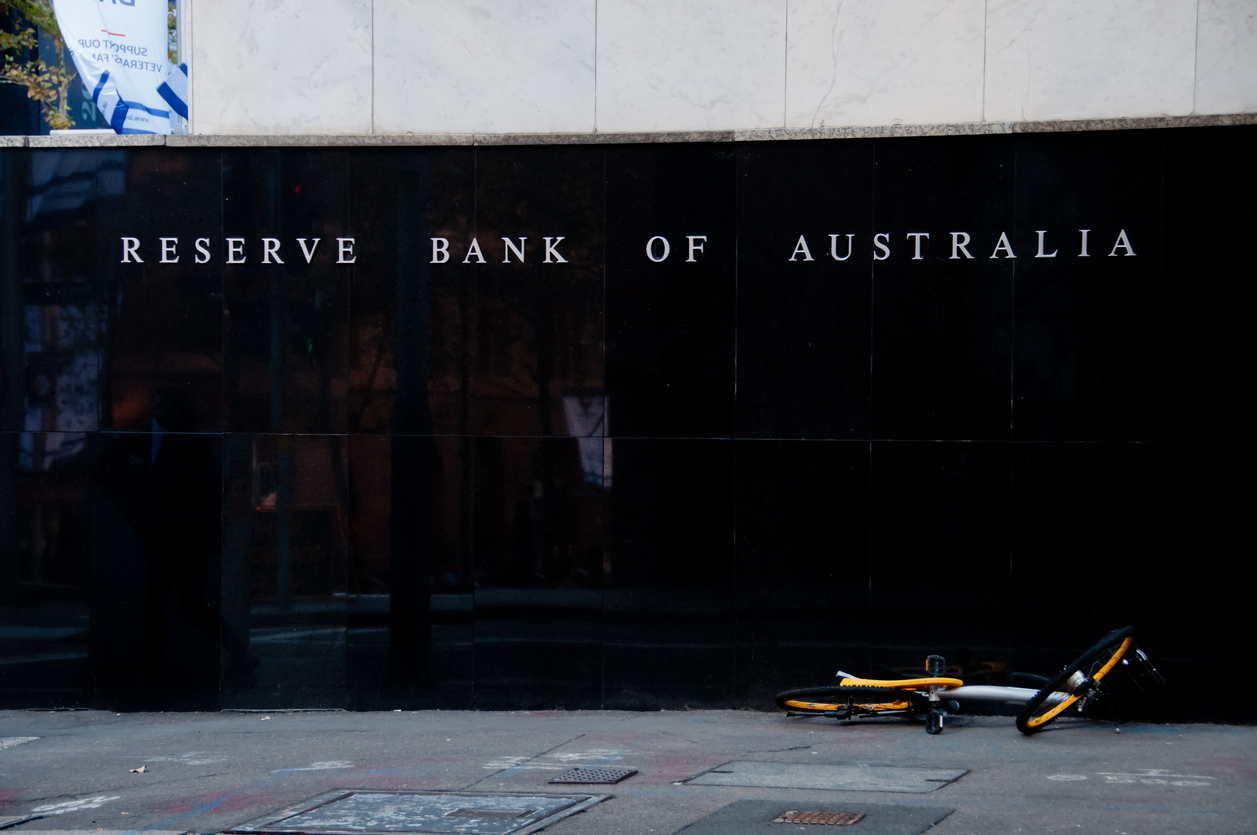
Australians will have to wait a bit longer to determine how their interest rates might change in March, as the Reserve Bank of Australia (RBA) has decided to hold fewer meetings this year. The RBA usually announces its interest rate decision on the first Tuesday of each month, except for January, but this year it will only meet eight times, with the next meeting scheduled for March 18.
This change is part of a strategy to improve the quality and effectiveness of the RBA’s monetary policy, following an independent review last year. The review recommended that fewer meetings would allow more time for the RBA board members to analyse and discuss the economic data and forecasts, and to communicate their decisions to the public.
While mortgage holders and savers will have to wait longer to learn the fate of their interest rates, the good news is that another rate hike is very unlikely. Most economists and analysts expect the RBA to keep the cash rate unchanged at 3.75 per cent, or even cut it later this year, as inflation pressures ease and the unemployment rate rises.
Australian Bureau of Statistics
The latest inflation data from the Australian Bureau of Statistics (ABS) showed that the headline Consumer Price Index (CPI) had fallen to 3.4 per cent in January, down from 3.8 per cent in December. This was mainly due to lower petrol prices and seasonal discounts on clothing and footwear. The RBA’s preferred measures of underlying inflation, which exclude volatile items, also moderated to around 2.5 per cent, within the RBA’s target range of 2 to 3 per cent.
The labour market data also showed signs of weakness, with the unemployment rate rising to 5.1 per cent in January, up from 4.9 per cent in December. The number of employed people fell by 13,000, while the participation rate dropped to 65.6 per cent, indicating that some people had given up looking for work.
The RBA has previously stated that it is prepared to lower the cash rate if needed to support sustainable growth and achieve its inflation target. However, it has also acknowledged that there are some positive signs in the economy, such as strong public spending, robust export growth, and improving business and consumer confidence.
Conclusion
Therefore, the RBA is likely to adopt a wait-and-see approach in March, and monitor the incoming data and global developments before making any further adjustments to the cash rate. The key factors that could influence the RBA’s decision include the impact of the coronavirus outbreak on the global and domestic economy, the progress of the US-China trade deal, the outcome of the federal budget in May, and the trends in wages, household income, and consumption.
READ MORE:
Home loan Statistics – January Lending Indicators
New Loan Commitments Pick Up in January 2024
Important SMSF Updates for the 2024 Financial Year in Australia
