



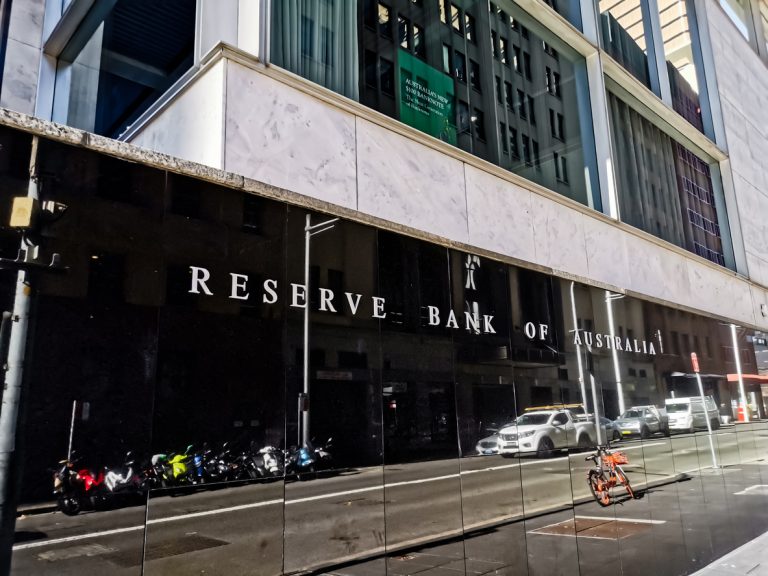
RBA interest rate decision: The Reserve Bank of Australia (RBA) has announced that it will hold the official cash rate at 4.1%, pausing after a series of aggressive hikes. This follows a 25 basis point increase in the previous month, which pushed interest rates to their highest level since May 2012.
RBA Governor Philip Lowe said the decision to pause was driven by the need to assess the impact of earlier rate increases and evaluate ongoing economic uncertainties. Although inflation has peaked, it remains elevated, and the economic outlook is still clouded by both domestic and global challenges.
🔗 For more on how interest rates affect mortgage repayments, visit our home loan rates guide.
🔗 View the official RBA statement on rba.gov.au
Why the RBA Interest Rate Decision Matters
The RBA interest rate decision is a key indicator of Australia’s monetary policy direction. By holding the rate steady, the RBA aims to balance inflation control with maintaining economic stability.
Lowe stated that the pause allows the Board to monitor:
-
The delayed effects of past rate hikes
-
Household spending patterns
-
Global economic developments
-
Domestic inflation trends
This pause doesn’t mean rate hikes are over. The RBA left the door open for future increases if inflation doesn’t return to the 2–3% target band in a reasonable timeframe.
Inflation Has Peaked, But Remains a Concern
While the RBA noted that inflation has likely peaked, it continues to sit well above target. Persistently high inflation:
-
Erodes consumer purchasing power
-
Increases cost-of-living pressure
-
Hinders business investment
-
Worsens income inequality
The Board remains committed to returning inflation to its target range without triggering a sharp economic downturn. A report from the Australian Bureau of Statistics (ABS) supports the RBA’s outlook, showing early signs of inflation moderation.
Australia’s Labour Market and Economic Growth Outlook
The Australian labour market remains strong, but early signs of easing have emerged:
-
Labour shortages are declining
-
Job vacancies remain high
-
Unemployment is still near a 50-year low
-
Wage growth has picked up in response to inflation
However, Lowe stressed that sustainable wage growth depends on productivity improvements. Economic growth has slowed, and the RBA expects modest improvement as inflation gradually eases.
Household Spending and Global Uncertainty
Household consumption remains a key area of uncertainty in the RBA’s projections. Rising interest rates and elevated living costs have led to a significant drop in consumer spending.
On the global front, several economies are growing below average, with rising geopolitical tensions and tighter financial conditions affecting international markets.
These uncertainties, both domestic and global, are likely to influence future RBA interest rate decisions.
What’s Next for Monetary Policy?
While the RBA opted to keep the cash rate unchanged this month, it has not ruled out further tightening. The bank made it clear that:
-
Future rate hikes remain a possibility
-
Decisions will depend on incoming data
-
Inflation must return to target within a “reasonable timeframe”
🧠 Learn how monetary policy impacts the broader economy in our article: What is Monetary Policy?
Conclusion: RBA Interest Rate Decision Reflects a Cautious Pause
This month’s RBA interest rate decision reflects a cautious approach amid ongoing uncertainty. While inflation appears to have peaked, it remains high, and the central bank is carefully weighing the risks of over-tightening.
Whether you’re a borrower, investor, or policymaker, staying informed about the RBA’s monetary policy is crucial for planning ahead in a shifting economic environment.
